
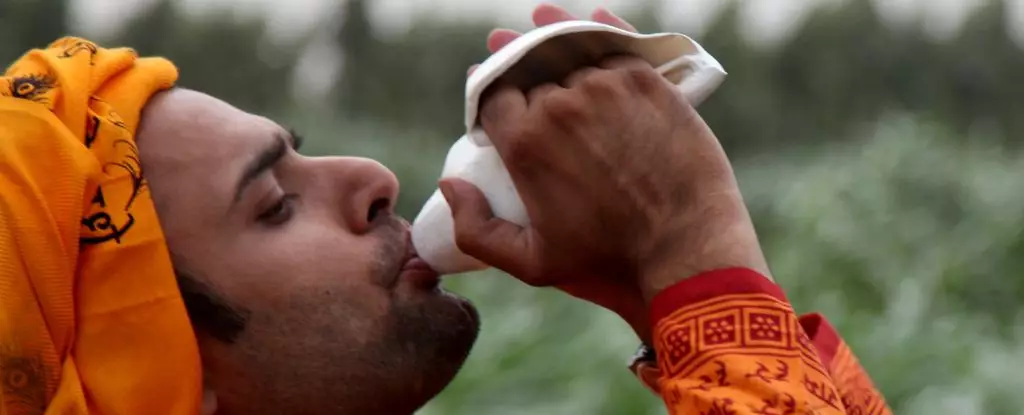
In recent years, the relentless search for effective and comfortable treatments for sleep disorders has led scientists to explore unconventional yet time-honored methods. Among these, ancient breathing exercises and cultural practices that have persisted for centuries are gaining renewed attention. One such intriguing approach involves harnessing the art of wind instrument playing—specifically, blowing into conch shells—to improve breathing during sleep. This unconventional method challenges the dominance of mechanical devices like CPAP machines and invites us to reconsider natural therapies rooted in cultural history and respiratory physiotherapy.
The focus on this approach stems from a growing recognition of the limitations faced by many individuals using standard treatments for obstructive sleep apnea (OSA). While CPAP remains the gold standard, its discomfort and compliance issues have spurred the search for simpler, more accessible alternatives. The idea that rhythmic breathing exercises involving wind instruments can reduce sleep disruptions and improve oxygenation is not only innovative but also deeply rooted in the understanding of how respiratory muscle training can influence airway stability.
This approach suggests that practicing specific breathing patterns—such as deep, forceful exhalations through pursed lips—could play a vital role in strengthening the muscles around the upper airway. By doing so, it potentially reduces collapses during sleep episodes, thereby alleviating the severity of sleep apnea symptoms. The concept taps into yogic and traditional Indian practices, where blowing into a conch shell, known as shankh, combines breath control with vibrational stimuli that might have therapeutic benefits. It offers a holistic, non-invasive alternative for individuals seeking effective sleep improvement methods.
The Science Behind Ancient Breathing as a Therapeutic Tool
At the core of this novel strategy lies a simple yet profound principle: strengthening the muscles responsible for maintaining open airways during sleep. When blowing into a conch shell—an activity involving deep inhalation and forceful, sustained exhalation—the respiratory musculature is challenged in a manner similar to resistance training. This form of muscular engagement could lead to increased tone and endurance, which are critical factors in preventing the airway soft tissues from collapsing.
In a recent controlled trial, researchers assigned participants with moderate sleep apnea to two groups—one practicing shankh blowing exercises, and the other engaging in deep nasal breathing. The results were promising: those practicing conch-blowing techniques reported significantly better sleep quality, less daytime sleepiness, and objective measures showed fewer apnea episodes and higher nocturnal oxygen levels. These findings hint that a simple ritual rooted in tradition can yield tangible health benefits, especially when traditional treatments are less feasible or acceptable to patients.
It’s important to acknowledge, however, that the evidence so far is preliminary. The small scale of the trial and its lack of blinding warrant cautious interpretation. Nonetheless, the significant improvements observed reinforce the idea that respiratory muscle training through cultural practices could serve as a potent adjunct or alternative to mechanical devices. The vibrational stimulation produced by blowing into a conch might also contribute to neuromuscular re-education of the airway muscles, offering a compelling intersection between physiotherapy, cultural tradition, and respiratory health.
Assessing the Potential and Challenges of Natural Respiratory Interventions
While the concept is compelling, it’s essential to critically evaluate its applicability. The notion that a traditional wind instrument technique can combat a complex physiological disorder like OSA raises questions about reproducibility and scalability. The practice requires proper instruction, consistency, and possibly innate interest in cultural or spiritual exercises—factors that may affect adherence.
Moreover, the current evidence, though promising, is far from definitive. Larger, randomized, double-blind studies are needed to establish efficacy across diverse populations and severities of sleep apnea. There is also the challenge of standardizing the technique—ensuring consistent breath control and exhalation strength—that is crucial for therapeutic effect. It might be unrealistic to expect universal adoption without proper guidance and motivation; therefore, integrating such practices into broader sleep therapy programs needs careful consideration.
From a broader perspective, this approach underscores the immense potential of integrating traditional practices into modern medicine, particularly as a low-cost, accessible, and minimally intrusive option. It encourages physicians and researchers to explore the vast repository of cultural health practices for novel solutions, rather than relying solely on high-tech devices. However, realistic expectations and rigorous scientific validation are vital to prevent premature hype and to ensure patients receive safe and effective treatment options.
While the idea of blowing into a conch shell might seem whimsical, it symbolizes a deeper recognition: that often, the key to better health may lie in rediscovering and refining ancient wisdom with modern scientific rigor. If validated through larger trials, such techniques could revolutionize how we think about respiratory therapy—making breathing exercises not just a tool for relaxation, but a powerful, culturally enriched weapon against sleep disorders.
Leave a Reply