
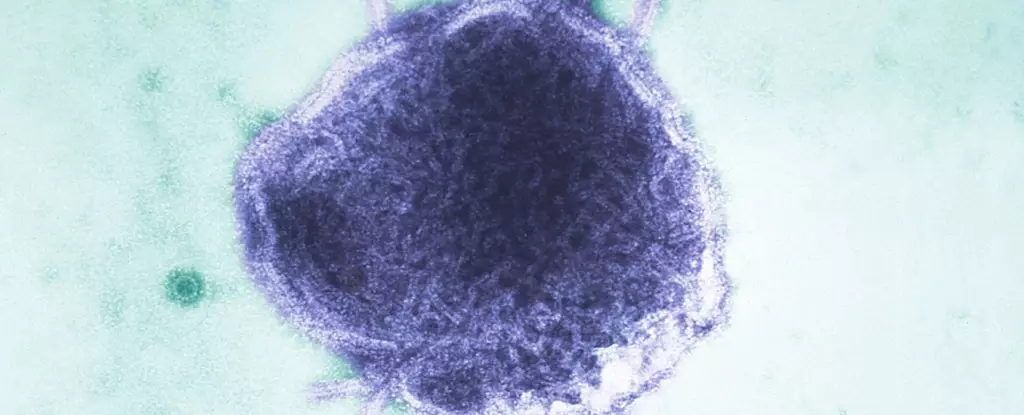
As countries globally grapple with the resurgence of preventable diseases, measles stands out as a particularly alarming example. With reports revealing skyrocketing case numbers across North and South America, as well as Europe, it becomes critical to understand the underlying causes of this spike, the infection’s history, and the vital importance of reinforcing vaccination efforts. Recent statistics are nothing short of alarming: the United States has seen confirmed cases leap from 285 in 2024 to 935 by May 2025, with the World Health Organization sounding the alarm bells by declaring high risk for both American continents.
The fear is that if this trend continues, measles could transform from a disease long considered eliminated in the U.S. back to a routine threat. This resurgence is not just a statistical concern; it has real-world implications, as evidenced by the recent tragedies: three lives lost, including two children, amid the outbreak concentrated in Texas. Such developments should ignite fervor among public health officials and communities alike to prioritize vaccination in a world still reeling from the COVID-19 pandemic.
The Historical Context: How We Got Here
To understand the current measles situation, it is essential to recognize the remarkable progress achieved over decades due to vaccination efforts. Once a leading cause of childhood mortality in the U.S., measles cases plummeted following the introduction of the measles vaccine in 1963, and by 2000, the Centers for Disease Control and Prevention officially declared the virus eliminated in the country. However, the past few years have starkly illustrated how fragile this victory can be.
The pandemic revealed cracks in our public health infrastructure as routine vaccinations plummeted, and misinformation began to take root. Through the late 2010s, the troubling rise of vaccine hesitancy particularly within specific communities led to isolated outbreaks. Moreover, while apprehensions regarding vaccines were historically anchored in concerns over their safety, the COVID-19 pandemic catalyzed an erosion of public trust in health institutions and contributed to a decline in routine immunization rates.
The Measles’ Rampage: A Renewed Epidemic
The resurgence of measles is not just a U.S. phenomenon. Canada has reported over a thousand cases associated with an outbreak that originated in New Brunswick, and nations across Europe watched measles cases rise tenfold, resulting in over 35,000 infections in 2024 alone. Measles is notoriously infectious, with the ability to spread to 12 to 18 people from just one infected individual. In a society where herd immunity requires that 95% of the population be vaccinated to protect those who cannot be vaccinated, the decline in vaccination rates poses a dire threat.
Furthermore, alarming predictions indicate that if these trends persist and current vaccination rates do not improve, it is conceivable that measles could become endemic in the U.S. again, resulting in catastrophic outbreaks. The implications of this shift are not merely theoretical. They manifest in real lives affected—where children who are not vaccinated become vulnerable not just to measles but also serve as vectors for the disease to spread broadly within communities.
Solutions on the Horizon: A Call to Action
So, what can be done to stem the tide of this impending public health crisis? First and foremost, reinstating confidence in vaccines is paramount. Public health campaigns must engage communities directly, addressing fears and misinformation that may discourage vaccination. Health officials need to focus on accessible education that demystifies vaccines for the public, equipping parents with accurate information to alleviate concerns regarding vaccine safety and efficacy.
Additionally, efforts to improve access to vaccinations are critical. The success of initiatives like the Vaccines for Children program proves that ensuring every child can obtain vaccinations, regardless of economic status, is fundamental in achieving community health goals. Mobilizing community networks, faith-based organizations, and schools can extend the reach of these programs, ensuring that no child is left unvaccinated.
Moreover, addressing the social determinants of health that influence vaccine acceptance and uptake is equally important. Understanding the socio-economic barriers, cultural factors, and educational disparities that contribute to vaccine hesitancy can allow for the crafting of targeted interventions that resonate with specific populations.
A United Front Against Measles
The current situation surrounding measles is a chilling reminder of the realities that can emerge when complacency settles in around public health efforts. As we collectively navigate the aftermath of a global pandemic, now is the time to come together to fortify vaccine programs and restore community trust. A robust response requires the collaboration of healthcare providers, policymakers, and community leaders, all working in unison to ensure a healthier future free of preventable diseases. The stakes are high, and the time for action is now.
Leave a Reply