
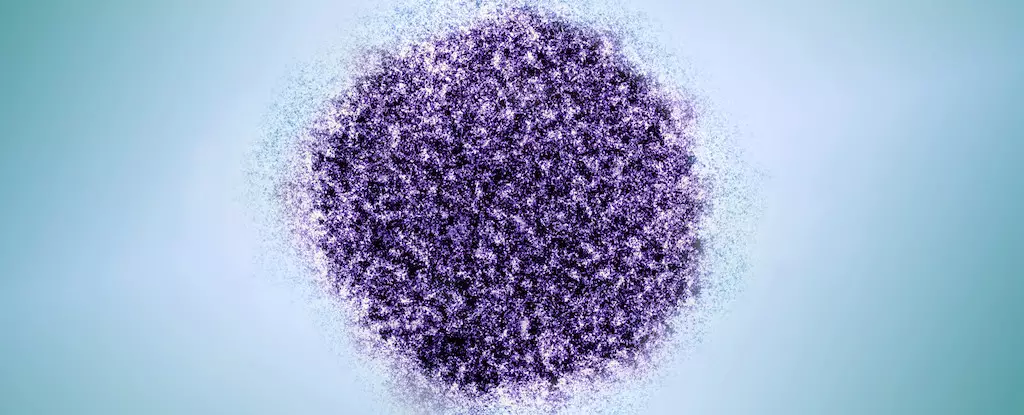
The human brain has long been considered an isolated sanctuary, protected by a formidable barrier that minimizes the intrusion of pathogens. Yet, recent groundbreaking research challenges this notion by revealing traces of viruses—particularly hepatitis C virus (HCV)—within the brain’s protective lining, the choroid plexus. This structure functions as a gatekeeper, regulating the exchange of molecules between the blood and cerebrospinal fluid, and typically prevents many external agents from penetrating deeper into neural tissue. However, the discovery of viral DNA, signifying possible prior infections or persistent viral activity, suggests that this line of defense might rarely be breached or at least compromised in certain conditions.
What makes these findings especially compelling is the localization of viral signatures predominantly within the choroid plexus, rather than the brain’s core structures like the hippocampus. This indicates a nuanced interaction where viruses could influence brain function indirectly through the lining’s altered molecular activity, rather than direct neuronal infection. The notion that such viruses may subtly manipulate brain chemistry from the periphery raises profound questions about their role in mental health disorders. If the choroid plexus acts as an entry point or a reservoir for viruses, it opens avenues for reevaluating how infectious agents could contribute to psychiatric conditions long believed to be purely neurochemical or genetic in origin.
The identification of hepatitis C within this barrier layer underscores a paradigm shift. Traditionally, HCV is associated with liver disease and systemic health complications, but its potential influence on psychiatric health adds a layer of complexity previously unrecognized. Given the tissue’s protective role, the presence of HCV hints at either a persistent, low-grade infection or perhaps a mechanism by which the virus exerts influence without overt structural damage. The implications extend beyond mere association; they challenge the assumption that neuropsychiatric disorders are solely endogenous in origin, beckoning a broader biological perspective.
Correlating Viral Presence with Psychiatric Disorders: Evidence of a Stark Connection
The research reveals that individuals diagnosed with schizophrenia or bipolar disorder exhibit a notably higher presence of hepatitis C within their brain’s lining compared to healthy controls. Such statistical correlations are difficult to ignore, especially when the prevalence reaches nearly double in those populations relative to the general public. This suggests that HCV, and potentially other viruses detected in the same study, might play a contributory or exacerbating role in the pathogenesis of these complex disorders.
What stands out is the magnitude of this association—finding seven times more HCV in patients with schizophrenia and bipolar disorder than in unaffected individuals is not merely coincidental. It hints at a potentially modifiable risk factor, especially considering the treatability of hepatitis C. If viral activity influences brain function or gene expression in key regions like the hippocampus, even indirectly, then addressing the infection could open a new therapeutic pathway. However, it’s also crucial to acknowledge the limitations: this does not imply causality, nor does it suggest that all psychiatric disorder cases are driven by infection. Still, these findings are provocative enough to reshape hypotheses and direct future research towards infectious etiologies or co-morbidities in mental health.
From a clinical standpoint, the implications are significant. Mental health treatments often focus on neurochemical modulation—antipsychotics, mood stabilizers, psychotherapy—yet fail to consider infectious contributions. This study advocates for a more integrative approach. Screening patients with psychiatric diagnoses for HCV and other viruses might uncover treatable contributors. Such a shift could redefine how we approach chronic mental health conditions, transforming them from solely neurochemical problems to multi-faceted disorders with infectious components.
Reconsidering the Neuro-Immune Axis in Mental Illness
The discovery of viruses within the brain’s protective barriers demands a reassessment of the traditional neuro-immune paradigm underpinning psychiatric disorders. Instead of viewing the brain as an isolated organ, it becomes evident that systemic infections and immune responses could have indirect yet profound impacts on neural function. When viruses like HCV establish a foothold near the cerebrospinal fluid production site, they may subtly influence gene expression in neighboring brain regions, possibly affecting mood regulation, cognition, and perception.
Moreover, the fact that the hippocampus—a critical center for memory and emotional regulation—remains virus-free in physical terms complicates the narrative. It suggests the brain’s defenses are effective to some extent but not entirely foolproof. Altered gene expression in the hippocampus observed in individuals with HCV in the lining indicates that viral influence may occur through signaling pathways or immune mediators, disrupting the delicate balance of neurochemical signaling. This provides a compelling biological basis for how peripheral infections could translate into psychiatric symptoms, further emphasizing the importance of the immune system’s role in mental health.
This perspective invites a more holistic view of mental health disorders, integrating infectious disease, immunology, and neurobiology. Instead of sideline considerations, contagious agents should be seen as potential co-conspirators that can exacerbate or trigger existing vulnerabilities. Such a shift would encourage clinicians to incorporate infectious screening and immune modulation in their treatment strategies, fostering personalized interventions that target both the mind and the body.
A New Dawn in Psychiatric Treatment: Embracing Infectious Underpinnings
The tantalizing possibility that a treatable viral infection could be a key contributor to severe mental illnesses brings a wave of hope. If patients diagnosed with schizophrenia or bipolar disorder harbor HCV, and if the virus plays a causal or aggravating role, antiviral therapies could revolutionize treatment plans. This multi-layered approach would reflect a more comprehensive understanding of mental health, moving beyond symptom management to addressing root causes.
Yet, skepticism remains warranted. The scientific community must tread carefully before prematurely concluding causality or overhauling established protocols. Thorough research is essential to elucidate the mechanisms by which viruses influence brain function, determine the temporal relationship—whether infection predates mental illness or vice versa—and establish the efficacy of antiviral treatments in psychiatric populations. Nevertheless, the potential is undeniably promising. Consider the profound relief if a subset of patients could experience symptom reduction or remission through targeted viral eradication.
This paradigm shift underscores a broader truth: mental health is inherently complex, and its roots extend across biological, environmental, and social domains. Recognizing infectious agents as potential contributors is not displacing existing knowledge but enriching it, adding new layers to intervention strategies. It advocates for integrated healthcare approaches, combining neurology, psychiatry, infectious disease, and immunology. Such interdisciplinary collaboration could unlock novel therapies, improving outcomes for millions suffering from debilitating psychiatric conditions.
While the path forward is fraught with scientific challenges, the hope that comes with these revelations fuels a renewed optimism. It urges the mental health community to reexamine long-held beliefs, embrace innovative research, and consider the possibility that cure might sometimes lie in the treatment of hidden infections lurking at the periphery of our understanding.
Leave a Reply