
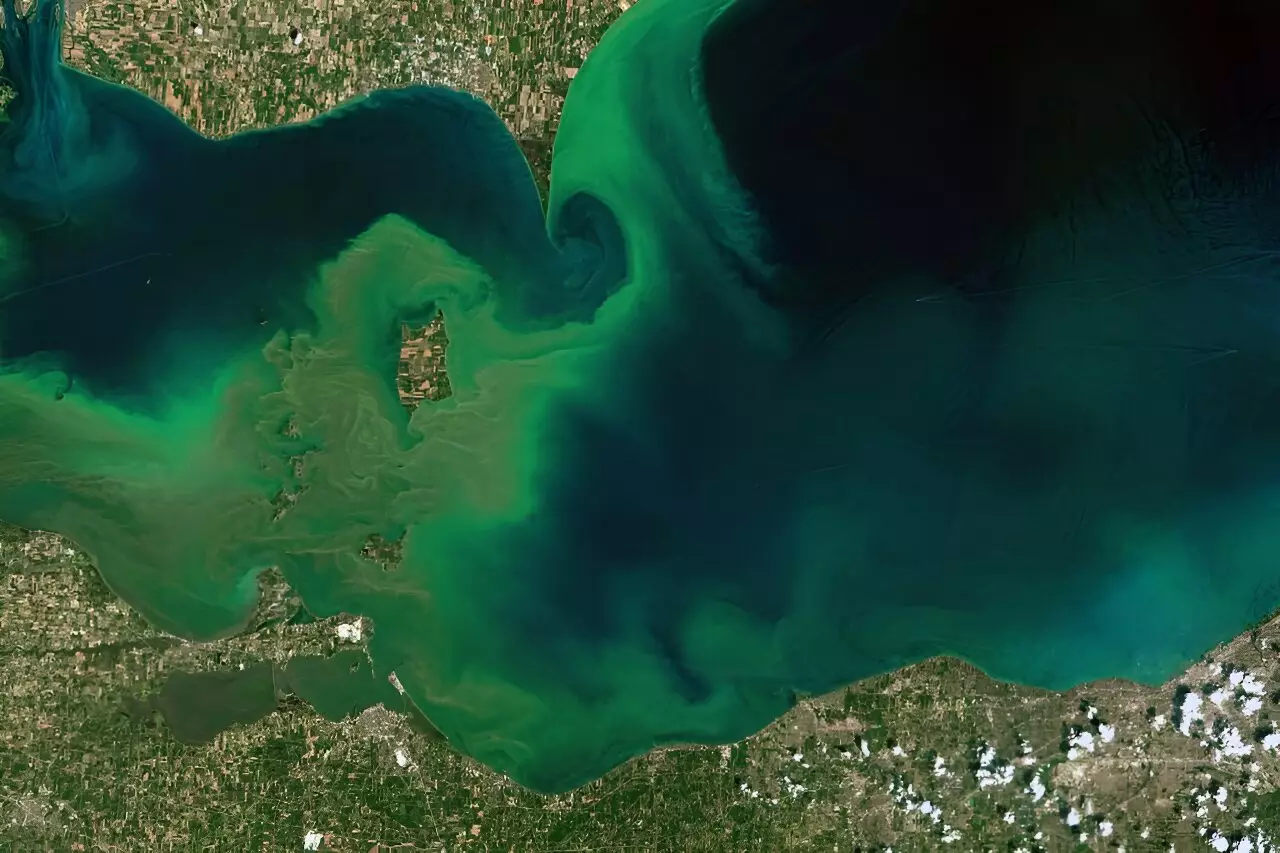
Lakes are often overlooked as mere bodies of water, but they are pivotal to ecological stability, climate regulation, and human livelihoods. They serve as biodiversity hotspots, natural water filters, and buffers against climatic extremes. Yet, recent scientific revelations underscore a concerning trend: nearly half of the world’s largest lakes are losing their resilience, teetering on the brink of irreversible ecological collapse. This decline does not occur in isolation; it mirrors the compounded impacts of human activity and climate change that threaten the very fabric of freshwater ecosystems worldwide. Understanding the nuances behind this deterioration is not just an environmental issue—it is an urgent societal imperative that demands targeted action and robust intervention.
Unraveling Resilience: The Balancing Act of Lakes in a Changing World
Resilience in lakes refers to their capacity to recover from sudden disturbances—droughts, floods, heatwaves—which are becoming more frequent and severe. When a lake is resilient, it can rebalance its ecosystem, maintaining water quality, biodiversity, and functional stability despite these shocks. Conversely, diminished resilience means that even minor disturbances can push lakes into degraded states, often leading to harmful algal blooms, loss of native species, and compromised water supply. Scientists measure this attribute by analyzing key indicators like color changes, which reflect biological and chemical shifts within the lake, and compare these across timeframes to detect trends of decline or improvement.
The recent global assessment, encompassing over a thousand of the world’s most significant lakes, unearths alarming patterns. The data indicates that nearly fifty percent are losing resilience—a trend particularly pronounced in eastern North America and northern Europe. Factors such as pollution, dense human populations, and landscape modifications compound, weakening the natural ability of lakes to bounce back from disturbances. Even more troubling is the acceleration of this decline in the last decade, highlighting an urgent need for corrective measures.
The Double-Edged Sword of Climate and Human Effects
While human activities predominantly contribute to declining lake resilience, climate change exacerbates these effects in multifaceted ways. Industrialization, deforestation, urban sprawl, and agriculture introduce pollutants, eutrophication, and sedimentation, all of which strip lakes of their ecological integrity. Population density plays a significant role here; more people mean more waste, runoff, and disruption to natural watershed processes.
Climate change adds further layers of complexity. Increased temperatures promote evaporation, which can lower water levels and concentrate pollutants. In colder regions, melting glaciers—particularly on the Tibetan Plateau and the Andes—are paradoxically increasing lake size and clarity temporarily, boosting resilience. However, these gains are likely short-lived as glacial retreat accelerates, potentially leading to long-term destabilization of water sources. Conversely, in tropical zones, warmer temperatures foster algae blooms, which suffocate aquatic life and degrade overall ecosystem health, thus reducing resilience.
Notably, the study emphasizes that in most regions, human factors outweigh climate in influencing resilience. Regions with higher GDP, where conservation efforts and land management are more advanced, tend to have healthier, more resilient lakes. This contrast underscores the importance of investment and policy in maintaining freshwater ecosystems, suggesting that proactive stewardship can stem or even reverse some declines.
Shifting Trends and Signs of a Crisis
A striking revelation from this study is the clear acceleration in resilience loss post-2010. While earlier years saw a relatively balanced mix of lakes gaining and losing resilience, recent years reveal a disturbing dominance of decline. Almost 40% of lakes in the latter period became less resilient than before, revealing a systemic trend of deterioration that threatens global freshwater stability.
This pattern is especially severe in densely populated regions with extensive industrial and agricultural activity. The findings imply that many lakes are approaching critical tipping points—thresholds beyond which they cannot revert to their previous healthy states without significant intervention. This situation raises questions about our ability to sustainably manage and restore these vital ecosystems before they reach irreversible breakdown.
The authors of the study warn that the deterioration could have far-reaching consequences beyond environmental degradation. Lakes underpin local economies, provide drinking water, and support biodiversity. Their collapse could trigger socio-economic upheaval, threaten food security, and exacerbate climate vulnerabilities, illustrating how interconnected ecosystem health is with human well-being.
Hope on the Horizon: The Power of Investment and Restoration
Despite these bleak findings, optimism remains rooted in the pattern observed in wealthier regions. Increased GDP correlates with improved lake resilience, hinting that targeted conservation measures—reforestation, pollution control, sustainable land use—are effective. The positive trend involved lakes in regions like North America, which have adopted policies aimed at water quality improvement and ecosystem restoration.
This insight underscores a crucial message: concerted human effort, backed by sufficient financial resources, can stave off ecological collapse. Restoration initiatives—such as wetland reforestation, pollution mitigation, and community-led watershed management—offer tangible pathways to bolster lakes’ resilience. If these efforts are scaled globally, especially in high-risk regions, there is potential to halt or even reverse some of the ongoing decline.
Ultimately, the study highlights that resilience is not a static trait but a dynamic property that responds to human stewardship. Recognizing early warning signs and acting decisively could prevent devastating ecosystem failures. Investing in the health of our lakes is not merely an environmental duty; it is an existential necessity to ensure a sustainable future for all life relying on these freshwater treasures.
Leave a Reply