
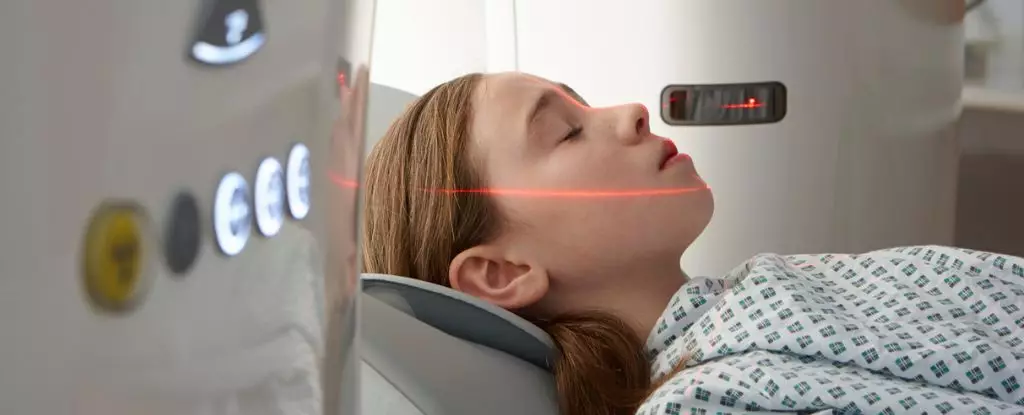
In recent years, the medical landscape has experienced a seismic shift—one driven by the increasing reliance on computed tomography (CT) scans. These sophisticated imaging tools have revolutionized diagnostics, enabling physicians to detect hidden injuries and diseases with unprecedented clarity. Their versatility and speed have made them indispensable in emergency rooms, outpatient clinics, and routine check-ups. However, beneath their remarkable utility lies a subtle controversy: the potential long-term health implications of repeated exposure to low doses of ionizing radiation.
While the surge in CT utilization undeniably enhances patient care, it also raises critical questions about safety, especially given the exponential rise in the number of scans performed. Between 2007 and 2023, the US alone saw a more than 30 percent increase in annual procedures. A significant proportion of these tests, however, are conducted unnecessarily—driven by precaution, convenience, or medico-legal fears—resulting in unwarranted radiation exposure for millions. This overuse brings into focus the delicate balance between harnessing technology’s lifesaving potential and safeguarding public health from unseen, accumulative risks.
Theoretical Risks Versus Scientific Certainty
The core of the debate hinges on the theoretical connection between low-level radiation exposure and cancer risk. High doses of ionizing radiation are unequivocally carcinogenic—this much is irrefutable. But when it comes to the minuscule doses associated with a single CT scan, the evidence becomes hazy. Current understanding hinges on long-term data from atomic bomb survivors and nuclear accident victims—populations that suffered immense radiation doses vastly exceeding those from modern diagnostic imaging.
Studies of Hiroshima survivors indicated that doses comparable to just three or more CT scans could slightly elevate lifetime cancer risk. Yet, extrapolating these findings to the routine, low-dose exposures from medical imaging is a controversial and complex endeavor. Critics argue that the risk estimates are based on models and assumptions that may not accurately reflect individual susceptibility or real-world outcomes. Despite the uncertainty, some researchers warn that the sheer volume of scans could translate into tens of thousands of future cancer cases.
The recent projections from epidemiologists suggest that in 2023 alone, roughly 103,000 new cancer cases in the US might be linked to low-dose radiation from CT scans. This perspective casts a shadow on the unchecked growth of CT usage, compelling the medical community to question whether all these scans are truly justified. But it’s crucial to place this in context—these are theoretical models, not proven cause-and-effect relationships, and the benefits often outweigh the potential risks, especially in urgent or life-threatening situations.
Weighing Risks Against Clinical Necessity
Despite the uncertainties, the undeniable value of CT scans in modern medicine is evident. They have been pivotal in early cancer detection, trauma assessment, and guiding critical interventions. For example, low-dose CT screenings for lung cancer have demonstrated a remarkable 20 percent reduction in mortality among high-risk populations. Such outcomes underline the importance of these scans—not as frivolous procedures, but as vital tools that save lives and improve health outcomes.
However, the key is judicious use. Medical professionals emphasize that unnecessary scans should be minimized, especially in children and young adults, who are more vulnerable to radiation’s potential long-term effects. For instance, a scan performed on an infant’s thyroid gland could carry a higher lifetime risk of developing thyroid cancer compared to adults. The discussion arises: how can clinicians better differentiate between necessary and unwarranted scans? The answer lies in robust clinical guidelines, technological advancements that reduce radiation doses, and a culture of cautious assessment.
Moreover, the scientific community advocates for patient education—ensuring people understand that while radiation carries some risk, the potential harm of skipping vital imaging can be far more severe. The overarching message should be: use CT scans thoughtfully, not restrictively. When the clinical scenario demands, the reward of accurate diagnosis outweighs the marginal and uncertain risks.
Moving Towards Safer Imaging Practices
Addressing this complex issue requires a multi-faceted approach. First, technological innovations are critical. Advances in CT hardware and software now allow for significant dose reductions without compromising image quality. Protocols tailored to patient size, age, and diagnostic needs should become standard practice, not exceptions.
Second, healthcare systems must prioritize appropriate utilization. Implementing stricter guidelines and decision support tools can ensure scans are truly necessary, avoiding the fall-back of defaulting to imaging for reassurance. Education initiatives aimed at both clinicians and patients can cultivate a culture of thoughtful request and acceptance of alternative, radiation-free diagnostic methods when viable.
Lastly, ongoing research is essential. Long-term, large-scale studies are needed to definitively establish whether low-dose CT radiation elevates cancer risk systematically or if current theoretical models overestimate the danger. Until then, transparency and risk communication should be integrated into patient consultations.
While the debate over low-level radiation risks persists, one reality remains clear: CT scans are powerful tools that, when used judiciously, save countless lives. The challenge lies in navigating the fine line between benefits and potential harms, ensuring that the rise of this technology continues to serve health without inadvertently creating new threats. Only through conscientious practice and scientific vigilance can we fully harness the promise of CT imaging while safeguarding future generations from avoidable risks.
Leave a Reply