
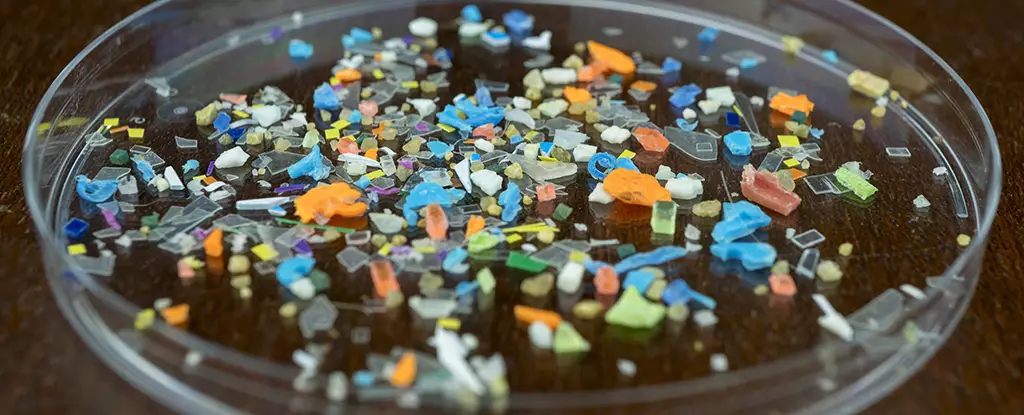
Microplastics have emerged as a ubiquitous environmental concern, permeating ecosystems and human life alike. With the growing prevalence of these tiny plastic particles, particularly in various consumer products and packaging, we face an escalating dilemma regarding potential health consequences. The current understanding is murky, especially when it comes to the implications of nanoplastics—particles that are dangerously small, roughly 100 nanometers in size. Found deep within food chains and now even in human bodies, these fragments pose substantial risks, largely because they go unnoticed and unmeasured by current detection technologies. As our world becomes increasingly inundated with plastic waste, the necessity for robust research into the biological impacts of these minute plastic invaders grows more urgent.
The Controversial Findings from Taiwan
A recent study conducted by researchers at the National Cheng Kung University in Taiwan has provided shocking insights into how nanoplastics affect gut health. Utilizing a test of feeding polystyrene nanoplastics to mice over a 12-week period, scientists were able to document alarming changes in gut microbiota. It was found that the integrity of the gut lining suffered, as indicated by a reduction in protective proteins that are essential for maintaining the health of intestinal walls. Notably, beneficial bacteria such as Lactobacillus were diminished, while pathogenic strains like Ruminococcaceae proliferated. This shift could suggest a substantial disruption in the balance of gut health—an imbalance often linked to myriad health issues, including inflammation, obesity, and autoimmune diseases.
Analyzing protein production and gene activity yielded further disturbing revelations. The study indicated not only a change in the microbial composition but also how communication between gut cells and these microbes became inhibited. The molecular mechanisms illuminated by this research are significant—they reveal a potential pathway through which nanoplastics could threaten our gut health, hinting at a dire need for further investigation.
The Painful Reality of Extrapolation
While the findings from this study are noteworthy, they must be contextualized appropriately. Mice serve as a valuable model for understanding human biology, but the complexity of human health cannot be wholly elucidated through such studies alone. The fact that the mice were exposed to levels of nanoplastics far surpassing typical human ingestion raises serious questions. Are we truly consuming enough plastics to invoke similar biological changes? The uncertainty surrounding exposure levels and corresponding health effects underscores the necessity for more comprehensive studies that bridge the gap from animal models to human implications.
As many eloquently put it, research on microplastics is in its infancy, and much remains to be uncovered. The levels of nanoplastics we encounter in daily life still lack reliable detection methods, and without this capability, the scope of our health risks remains obscured. In this vacuum of information, we find ourselves grappling with a silent invader—one that infiltrates our bodies unnoticed.
Pathways to Action: The Role of Continued Research
What this study poignantly illuminates is not only the possibility of gut health deterioration due to nanoplastics but also the imperative for continued investigation. The health implications are too significant to ignore; we must take heed of potential long-term effects. Public health experts and policymakers need to prioritize research that delves into how these particles persist in our systems and affect our overall health.
For now, it is clear that the scientific community stands on the precipice of a public health dilemma that demands immediate attention. Calls for enhanced detection technologies are paramount—without them, we remain blind to the scale of microplastic contamination and its effects. Researchers like Yueh-Hsia Luo echo the need for vigilance and rigor in studying these phenomena, hopeful that mitigating measures can be developed before the full extent of this crisis becomes tragically evident.
As awareness grows, the conversation must shift toward solutions. We must demand better regulation and oversight on plastic use while fostering innovation towards sustainable alternatives. Tackling the problem at its source will ultimately be more effective than managing the fallout of its myriad health effects. The challenge lies not just in understanding the implications of nanoplastics, but in actively preventing them from encroaching further into our lives.
Leave a Reply