
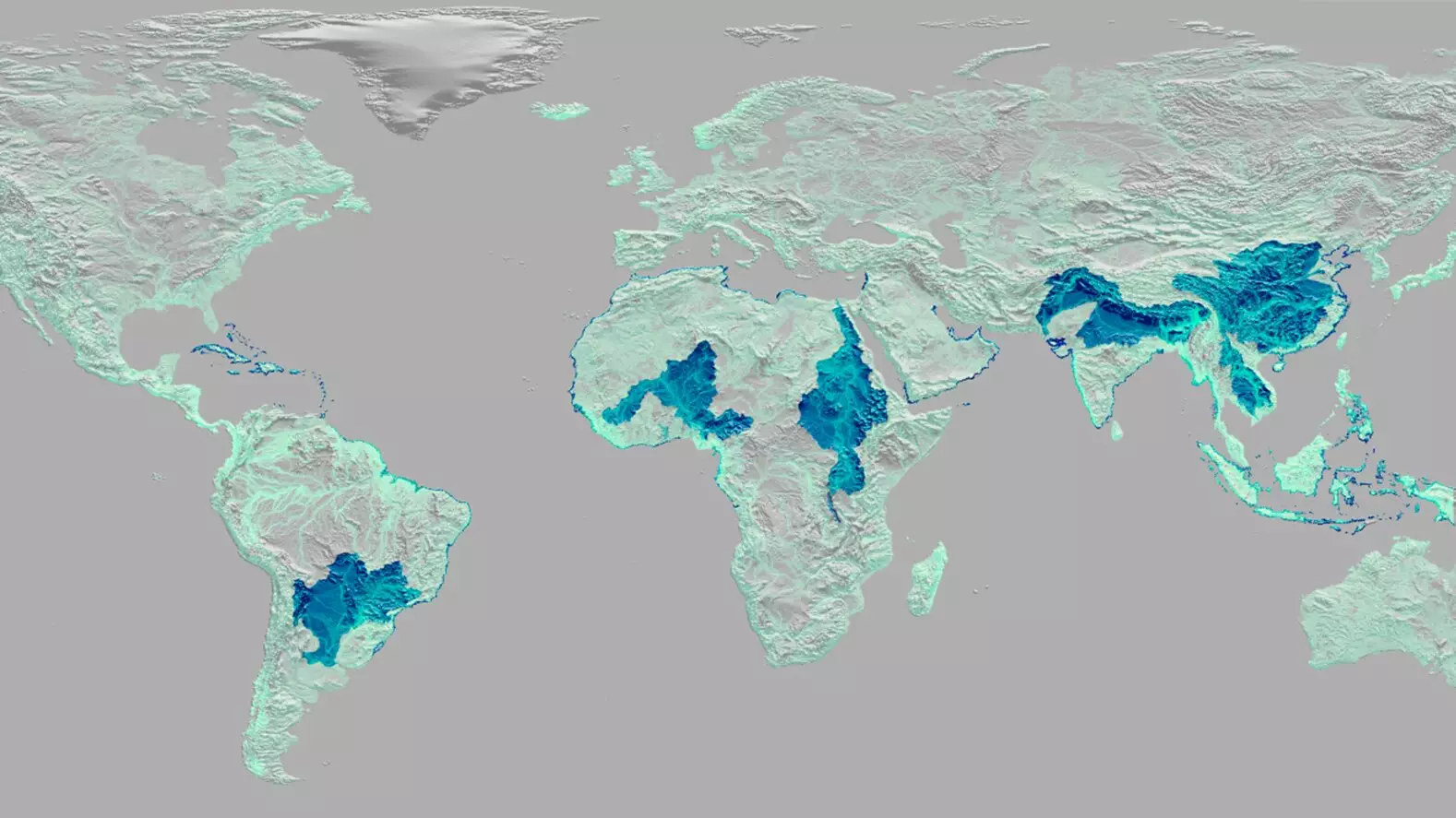
In an era where environmental degradation appears to accelerate at an alarming rate, the issue of waste leakage into aquatic ecosystems stands out as a pivotal challenge. The recent insights from IIASA underscore a stark reality: despite global efforts, the target of achieving zero waste leakage by 2030 remains elusive. This revelation commands a deep reflection on the robustness of our current waste management paradigms and the urgency of reform. The health of our oceans, rivers, and lakes—integral to both biodiversity and human survival—is under threat from persistent and widespread waste pollution, especially plastic waste.
What is particularly disconcerting is the geographic imbalance highlighted in the study. While waste leakage occurs worldwide, the majority of municipal solid waste escaping into waterways originates from highly populous and rapidly developing regions such as Africa, China, India, and South Asia. These areas face infrastructural challenges, economic constraints, and a lack of effective regulatory frameworks, all of which compound the problem. Addressing this imbalance demands a shift in focus: instead of only observing global trends, we must implement targeted, region-specific strategies that consider socio-economic realities and technological capacities.
From Fragmented Approaches to Holistic Waste Strategies
One of the most revealing aspects of the research is the caution against isolating waste streams. The simplicity of replacing one disposable item with another—say, swapping plastic cups for paper counterparts—can inadvertently inflate other waste streams, thus complicating the overall waste management challenge. This underscores an inherent flaw in fragmented policies that focus narrowly on specific waste types without considering wider systemic impacts.
Effective solutions must transcend these narrow silos. The global community needs a comprehensive framework that manages multiple waste streams simultaneously, prioritizing reduction, reuse, and recyclability. Universal waste collection emerges as a critical pillar—its implementation guarantees that waste generated in any locale does not escape into the environment, regardless of the scale of waste production or local infrastructure limitations. This approach must be underpinned by standardized metrics to monitor waste generation, composition, and flow, enabling accountability and continuous improvement.
To truly shift the needle, governments and industries must collaborate to establish and enforce such standards. Without rigorous monitoring and transparent reporting, efforts risk being superficial or inconsistent, ultimately failing to stem the tide of waste pollution. Adopting advanced technological solutions, such as digital tracking and real-time data collection, can facilitate this process, fostering adaptive management strategies that evolve in response to new insights and challenges.
Leadership, Responsibility, and Behavioral Change
A recurring theme within the study is the role of human behavior and societal values in shaping waste management outcomes. It’s easy to blame infrastructural shortcomings, but ultimately, the root of the waste crisis lies in consumption patterns and disposal habits. Recognizing this is essential; effective management systems are necessary but not sufficient unless rooted in a cultural shift toward responsibility.
The primary function of waste management, as emphasized by the study’s authors, should be environmental and health protection. Achieving this requires more than technological solutions; it demands a transformative change in individual and collective behaviors. Practices such as refusing unnecessary single-use items, rethinking consumption habits, and embracing reuse strategies must become societal norms. Governments and educational institutions need to foster this mindset at all levels, reinforcing the message that every waste item can be a catalyst for change.
Moreover, global cooperation is paramount. Waste does not respect borders; neither should our efforts to combat it. Sharing best practices, technological innovations, and policy frameworks across regions creates a synergistic effect—one where collective effort accelerates progress. Only by recognizing our shared responsibility and coordinating actions can we hope to protect aquatic biodiversity and human health from the relentless tide of waste leakage.
To forge a resilient and sustainable future, we must prioritize systemic change over piecemeal solutions, embracing responsibility from individual choices to international collaboration.
Leave a Reply