
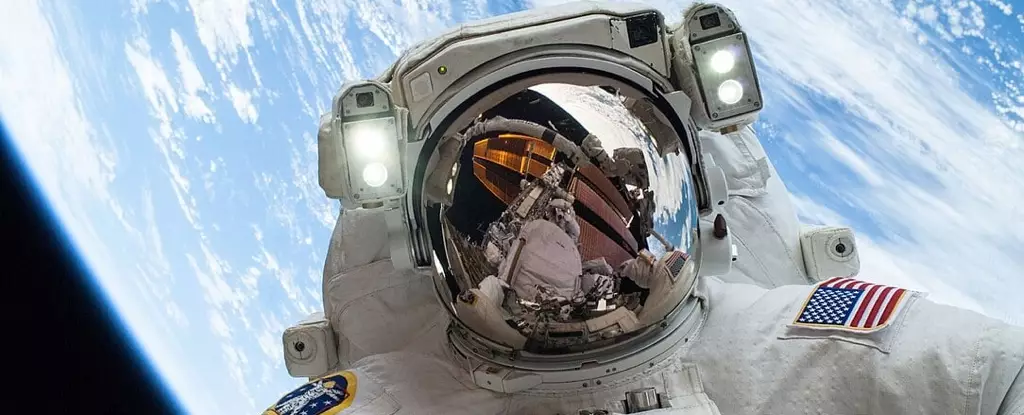
Embarking on a journey beyond our planet has always symbolized human ambition and curiosity. However, as we push boundaries with long-duration missions to Mars and beyond, a stealthy health crisis emerges—one that threatens both the safety of astronauts and the future of interplanetary exploration. An insidious change in vision, affecting approximately 70% of astronauts after prolonged spaceflights, underscores a critical gap in our understanding of how the body adapts to microgravity. This phenomenon, known as Spaceflight Associated Neuro-ocular Syndrome (SANS), has the potential to derail our most daring endeavors if left unaddressed.
The early reports of vision disturbance from astronauts like Dr. Sarah Johnson reveal a disturbing truth: what begins as minor blurriness in reading materials can develop into persistent, long-term visual impairment. Unlike common ailments, these changes do not resolve quickly upon return to Earth. Instead, they pose a permanent challenge that could compromise crucial mission operations and the health of those brave enough to venture into space.
Unraveling the Root Causes: Why Does Space Wreck Our Sight?
The core issue appears to stem from the unique environment of space—microgravity—that radically alters bodily functions rooted in Earth’s gravity-driven processes. Fluid redistribution within the spacefaring body leads to facial puffiness and increased intracranial pressure. This pressure buildup exerts force on the back of the eyeball and the optic nerve, causing structural changes that result in blurred vision and altered distance perception. The flattening of the eyeball’s back surface and optic nerve swelling highlight how microgravity can subtly but permanently modify our sensory perceptions.
This ongoing research challenges the assumption that space-induced health effects are transient. Unlike muscle atrophy or bone density loss, visual changes can persist long after returning to Earth, suggesting a fundamental alteration in ocular and neurological functioning. The implications are profound, especially when considering missions that stretch over multiple years—missions that could compromise astronauts’ sight, and consequently, their ability to perform critical tasks.
Innovative Solutions and Future Directions
NASA’s response to this threat is both urgent and inventive. The scientific community is exploring a variety of countermeasures designed to protect astronauts’ vision during extended spaceflights. Specialized contact lenses, pharmaceutical interventions to regulate intracranial pressure, and tailored exercise regimens are under active development. Of particular interest is the Visual Impairment Intracranial Pressure (VIIP) chamber—a groundbreaking device meant to mimic Earth-like pressure conditions for the eyes, offering hope for preventive measures.
However, the significance of this research extends beyond space exploration. Insights gleaned from SANS could revolutionize the diagnosis and treatment of terrestrial conditions such as glaucoma and intracranial hypertension. The quest to safeguard astronaut vision is pushing the boundaries of neuro-ocular medicine, revealing new avenues of understanding that could ultimately benefit millions of patients on Earth.
While challenges remain, the pursuit of solutions epitomizes human resilience and ingenuity. As we envisage a future where humankind regularly explores distant worlds, ensuring our bodies can adapt and thrive amidst alien conditions becomes a moral imperative. The lessons learned today are vital not only for reaching Mars but for sustainably safeguarding the health of those who dare to dream beyond our home planet.
Leave a Reply