
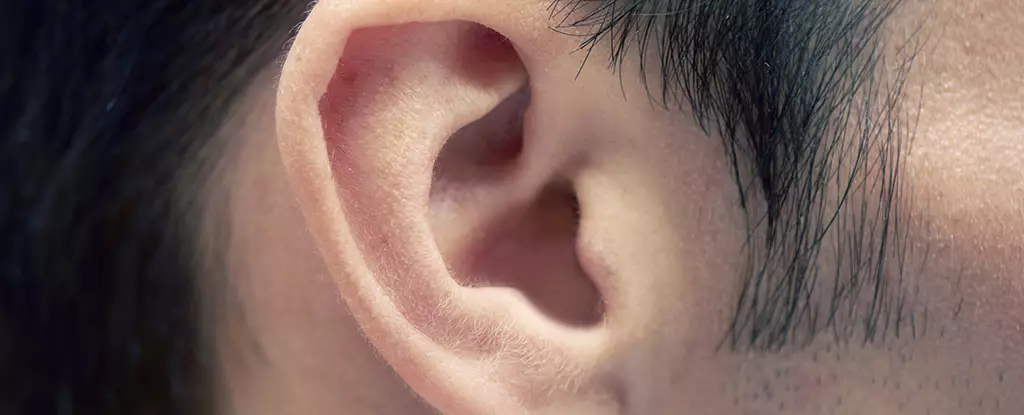
Parkinson’s disease presents a formidable challenge precisely because it often eludes early detection. The sooner the disease can be identified, the greater the opportunity to intervene effectively, potentially slowing its progression and easing the burden on patients and caregivers. Yet, current diagnostic methods—relying heavily on clinical evaluations and costly imaging techniques—tend to catch Parkinson’s only after significant neurological damage has occurred. Cutting-edge research now suggests a surprisingly accessible source for earlier diagnosis: our own earwax.
Earwax: An Overlooked Reservoir of Disease Biomarkers
This novel approach, spearheaded by researchers at Zhejiang University, is what makes the recent findings so compelling. Their work builds on earlier insights into how Parkinson’s subtly alters body odors due to biochemical changes in the skin’s sebum. But instead of focusing on sebum, which is vulnerable to environmental contamination, the team targeted earwax—a secretion well shielded from external influences. By analyzing volatile organic compounds (VOCs) trapped in earwax, they aimed to uncover chemical fingerprints directly linked to the disease.
This pivot to earwax is not just clever but practical. Earwax is a stable, concentrated medium that reflects biochemical shifts in the body without the noise introduced by exposure to air and contaminants that affect skin samples. This specificity could make earwax an ideal vehicle for diagnostic tests that are both robust and minimally invasive.
Decoding the Chemical Signals of Parkinson’s
From a pool of 209 volunteers, including 108 diagnosed patients, the research team isolated four key VOCs that distinguished those with Parkinson’s from healthy subjects: ethylbenzene, 4-ethyltoluene, pentanal, and 2-pentadecyl-1,3-dioxolane. These compounds suggest that neurodegenerative processes in Parkinson’s manifest in distinct biochemical footprints in the ear canal secretions.
What’s particularly exciting is that these VOCs are likely linked to systemic changes—such as inflammation and cellular stress caused by neurodegeneration—that ripple beyond the brain to other parts of the body. The chemical alterations captured in earwax could thus serve as a proxy to uncover physiological changes occurring at early, even preclinical, stages of Parkinson’s.
Artificial Intelligence Enhances Diagnostic Accuracy
The innovative use of artificial intelligence (AI) marks another leap forward in this research. Feeding the identified VOC data into an AI-driven olfactory system, the researchers achieved a remarkable 94.4% accuracy rate in detecting Parkinson’s in their study group. This shows enormous promise for transforming how we diagnose neurodegenerative diseases by combining biochemical analysis with powerful pattern recognition technologies.
However, a critical caution remains: the current dataset is relatively small and localized. This impressive accuracy, while groundbreaking, must be validated and refined through extensive testing across diverse populations, disease stages, and ethnic backgrounds before it can be confidently applied in clinical settings.
Implications Beyond Diagnosis: Unraveling Parkinson’s Pathogenesis
Beyond the immediate goal of early detection, unraveling these earwax VOC patterns holds potential to advance our understanding of Parkinson’s origins. Identifying consistent chemical signatures could shed light on physiological changes that precede neurological symptoms, potentially revealing targets for early intervention therapies or even prevention.
The notion that earwax, a biological substance often dismissed as waste, might encode vital clues about brain health forces us to reconsider the body’s interconnected biochemical narrative. It underscores a fascinating principle: the peripheral biological environment can reflect central nervous system diseases in measurable ways.
Challenges and the Road Ahead
Despite its promise, this research is in its infancy. The transition from intriguing laboratory results to real-world diagnostic tools demands rigorous validation and replication. Differences in diet, environment, genetics, and even ear hygiene practices might influence VOC profiles, complicating their use as universal biomarkers.
Moreover, integrating such diagnostic tools into routine clinical care requires not only technological safeguards but also validation of ethical standards around data privacy and patient consent—especially when AI systems are involved in health decisions.
Even so, the potential benefits of a quick, non-invasive ear swab test for Parkinson’s are profound. It could democratize access to early diagnostics, reduce healthcare costs, and provide a platform for dynamic monitoring of disease progression.
In short, this research ignites a new paradigm—where the humble earwax swab could one day become a frontline tool in neurodegenerative disease diagnostics, pushing the boundaries of what we thought possible in personalized medicine.
Leave a Reply