
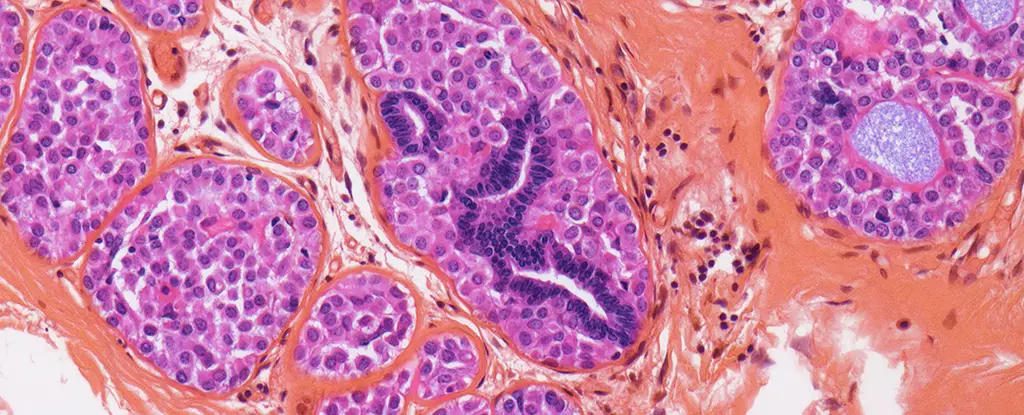
For decades, breast cancer survivors have faced a relentless shadow: the fear that their cancer might return. Despite successful initial treatments, nearly 30% of patients experience tumor recurrence, often years after remission. This frustrating reality underscores a critical gap in our understanding of cancer biology — the existence of dormant tumor cells (DTCs). These cells, which remain hidden within the bone marrow and other tissues, act like silent sleepers, resistant to conventional therapies designed to target actively dividing cancer cells. Their persistence explains why many cancer recurrences happen unexpectedly, often when treatment seems to have been successful. Addressing this underground threat is not just a scientific challenge but a moral imperative, promising to improve survival rates and quality of life for millions.
Rethinking Cancer Recurrence: From Monitoring to Intervention
Traditional cancer management relies heavily on post-treatment surveillance, with clinicians vigilantly monitoring patients for signs of relapse. This reactive strategy, however, offers little comfort for those haunted by the possibility of recurrence. What if we could shift from passive observation to active prevention? Recent groundbreaking research suggests exactly that. Instead of waiting for tumors to reemerge, scientists are exploring ways to target and eradicate DTCs before they awaken. This proactive approach could redefine cancer treatment paradigms — moving from “watch and wait” to “prevent and conquer.” It presents a transformative vision: eliminating the roots of relapse itself, thereby gifting survivors peace of mind and extending survival.
Innovative Strategies: Targeting the Biology of Dormant Cells
The battle against DTCs is nuanced, rooted in understanding their distinct biology. These cells are remarkably different from their active counterparts — they are quiescent, resilient, and capable of surviving in hostile environments. Only recently have scientists confirmed these cells as viable targets for intervention. Inspired by this discovery, researchers have experimented with repurposing existing medications like hydroxychloroquine (commonly used for autoimmune diseases) and everolimus (an established anti-cancer agent), alone and in combination. Their approach is both pragmatic and promising. When tested on 51 women with a history of breast cancer and confirmed DTCs, these drugs demonstrated impressive efficacy: individually, they obliterated up to 80% of the dormant cells; combined, they eradicated 87%. Even more compelling, every participant who received the combination remained cancer-free after three years. These outcomes suggest that disrupting the biology of DTCs could be a powerful method to prevent relapse altogether.
Empirical Evidence and Biological Insights
Preclinical studies using mouse models established an essential foundation for these human trials. These experiments not only validated the effectiveness of the drug combinations but also uncovered surprising biological insights. For example, certain medications that are ineffective against actively growing tumors proved incredibly potent against dormant cells, revealing that the biology of cell quiescence is fundamentally different from proliferation. Cancer biologist Lewis Chodosh highlights this distinction, emphasizing that understanding the unique mechanisms governing dormant cells is crucial for developing targeted therapies. These insights challenge existing dogmas and open new avenues for precision medicine, whereby drugs are tailored to disrupt the survival strategies of dormant cells without harming normal tissues.
The Road Ahead: From Promising Results to Standard Care
While initial findings are encouraging, the journey from laboratory success to widespread clinical application remains long. Larger-scale trials are needed to confirm safety, optimal dosing, and most effective drug combinations. Importantly, not all breast cancer survivors harbor dormant cells, but for those who do, this approach offers a beacon of hope. As we refine our understanding and expand research efforts, the potential to disrupt the cycle of relapse and fundamentally alter the prognosis of breast cancer becomes increasingly tangible. Contemplating the future, one can imagine a world where cancer recurrence is no longer a looming threat but a preventable failure — an aspirational goal driven by innovative science and relentless pursuit of cure.
In essence, this pioneering research not only shifts the scientific landscape but also reinvigorates the optimism surrounding cancer treatment. By targeting the hidden, we have the opportunity to eradicate the roots of relapse and herald a new era of durable cancer remission.
Leave a Reply