
In a bold move driven by concerns over misinformation and political stability, Brazil’s highest judicial authority, led by Judge Alexandre de Moraes, decided to block access to Elon Musk’s X platform, formerly known as Twitter. The decision was rooted in the ongoing struggle to control the spread of disinformation amid a polarized political climate. This action, however, became a catalyst for an unprecedented exodus to alternative social media platforms, revealing not only the resilience of digital communities but also exposing the vulnerabilities and fissures within the online ecosystem.
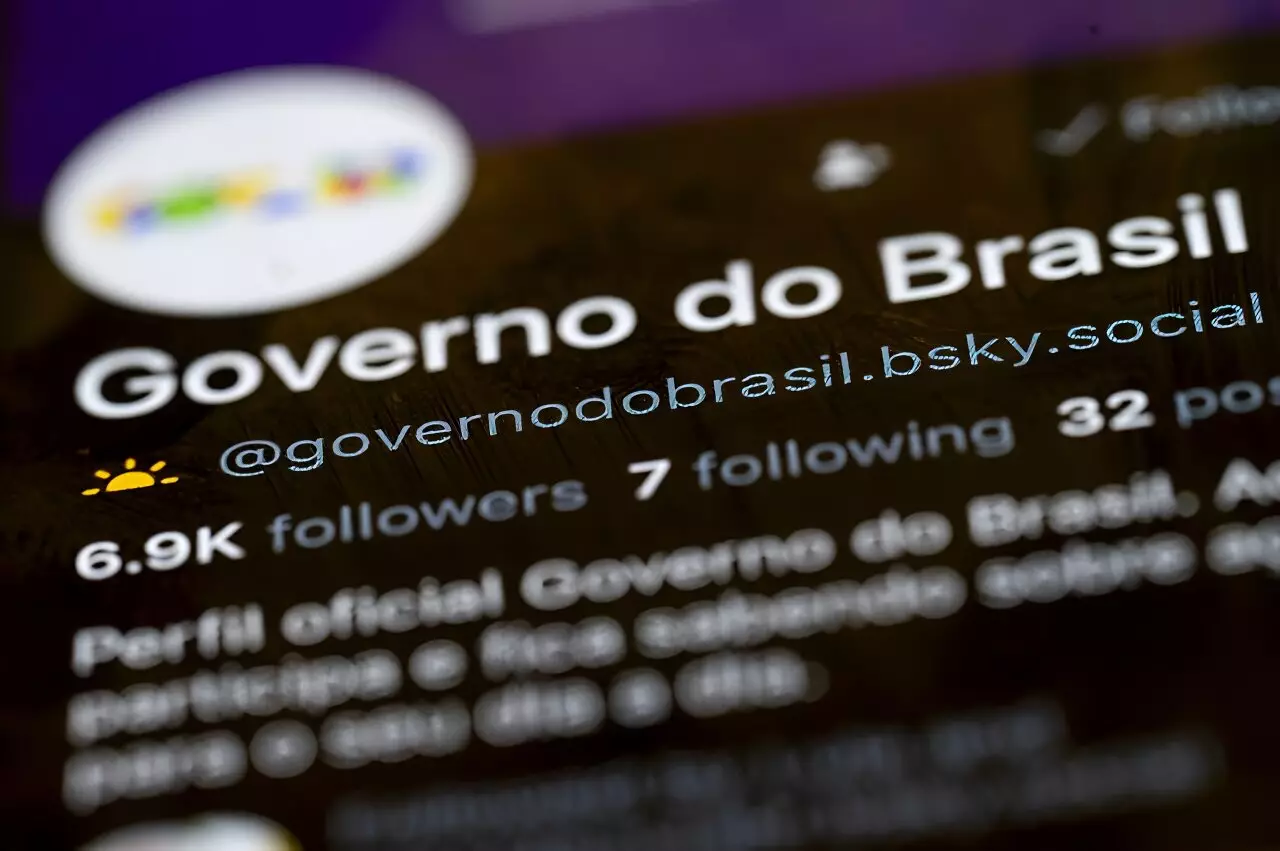
The immediate consequence was a surge in Brazilian users migrating to platforms like Bluesky, developed by Twitter co-founder Jack Dorsey, and Meta’s Threads. Within days, Bluesky’s user count ballooned by over two million, signaling the deep desire for alternative spaces where free expression—albeit with some constraints—could be maintained. Meanwhile, the search interest for “Threads” quadrupled, illustrating how desperately users sought familiar platforms with existing social connections. This mass migration vividly underscores the social media landscape’s volatile nature; when a dominant platform is taken offline, digital communities are quickly scattered and reassembled across smaller or new services.
This episode also exposes the fragile nature of platform dominance. While X had once been the hub for political discourse, entertainment, and social engagement in Brazil, its suspension thrust users into a state of uncertainty. The swift pivot to Bluesky and Threads reveals an innate human desire for connection—a need that surpasses corporate borders or territorial regulations. Just as individuals seek comfort in familiar routines, when their primary online environment collapses, they swiftly recalibrate and seek new digital homes, highlighting both adaptability and dependency on social platforms.
The Underlying Power Dynamics and Digital Fragmentation
The migration vividly illustrates how digital space is intertwined with political power and social influence. For years, Twitter served as a battleground for public debate, and its ban signifies more than just a restriction on a social platform—it’s a statement about control. Judge Moraes’s decision exemplifies the attempt by authorities to wield influence over the information environment, emphasizing the importance placed on curbing misinformation at the potential cost of free online expression. However, this same decision inadvertently accelerates the fragmentation of Brazil’s digital communication landscape.
Platforms like Bluesky and Threads, although gaining rapid popularity, reveal divergent ideologies about online privacy, censorship, and community standards. Threads, tied to Meta (Facebook and Instagram), benefits from existing user familiarity due to its integration with Instagram, making migration more seamless for the Brazilian population, especially the 140 million Instagram users. Despite this, concerns about data privacy and corporate influence are mounting. Underneath the surface, this shift may well consolidate a digital oligopoly—where a handful of firms dominate not just the user base but the narrative control as well.
Conversely, Bluesky presents itself as an alternative rooted more in decentralized ideals of free speech and less corporate influence. Yet, its newer presence means it struggles with issues like content discoverability—the absence of features like trending topics—and difficulty replicating the social cohesion existing on Twitter. For some users, Bluesky remains a platform for niche conversations rather than mass public debate. The divide over which platform will ultimately become Brazil’s new digital agora underscores the broader struggle between control versus openness—a debate that transcends borders and taps into the very core principles of digital democracy.
Social and Political Ramifications in a Hyper-Connected Cultural Context
Brazil’s social fabric is deeply intertwined with digital spaces. With approximately 140 million Instagram users alone, the shift to Threads—a platform sharing the same infrastructure—poses significant implications for communication, political mobilization, and social activism. Political figures, from President Lula to Bolsonaro’s affiliates, are quickly adapting their online strategies, recognizing that social media no longer remains a neutral space but has become central to political discourse and public opinion.
Lula’s active presence on Threads and Bluesky demonstrates a strategic move to maintain engagement and shape narratives, especially as the country navigates a fraught political landscape. Meanwhile, Bolsonaro’s followers remain loyal, even as he refuses to join Bluesky, instead promoting alternative messaging channels like Telegram. The resistance to new platforms indicates that online allegiance is often tied to ideology and identity—further fueling political polarization.
However, this rapid shift also exposes vulnerabilities. Platforms like Threads, owned by Meta, are susceptible to the same data privacy concerns that have tarnished the company’s reputation globally. The distrust surrounding data security can hinder user engagement and foster skepticism about the motives behind platform expansion. Conversely, Bluesky’s smaller user base and less familiar interface mean that its potential to become a dominant digital space remains uncertain—especially in a country where internet infrastructure varies widely.
The ongoing situation underscores a vital truth: in times of crisis or censorship, digital communities forge new pathways, but the fight for digital influence is far from over. The case of Brazil illustrates a broader global narrative—where government intervention, corporate interests, and individual freedom intersect, often in complicated and unpredictable ways. As these platforms evolve, so too will the social and political contours of Brazil’s digital landscape, reshaping how citizens communicate, dissent, and influence their society.
Leave a Reply