
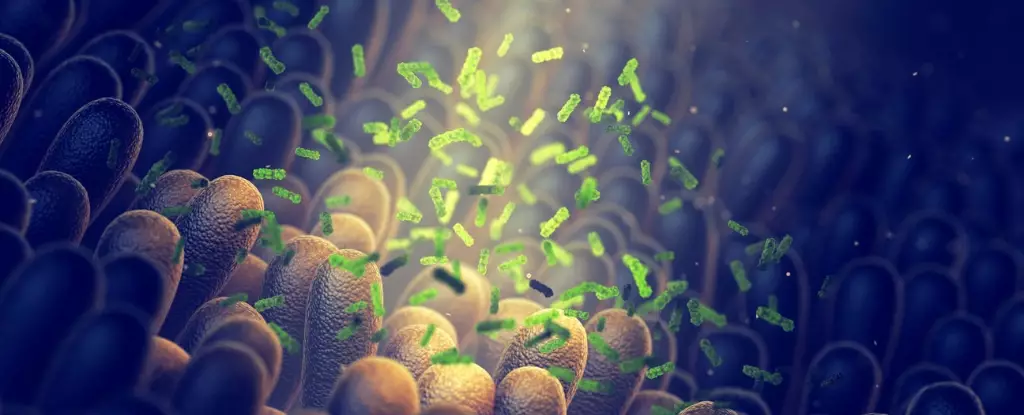
Recent scientific advances challenge the traditional view that weight and metabolic health are solely dictated by personal lifestyle choices. A growing body of evidence underscores the profound influence of the gut microbiome—the complex community of bacteria residing in our digestive system—on our overall health. While lifestyle modifications such as diet and exercise remain crucial, emerging research suggests that manipulating our internal microbial ecosystem could serve as a groundbreaking strategy to combat metabolic disorders. This perspective shifts the narrative from focusing solely on calories in and out to an intricate understanding of how microbial populations help regulate metabolic functions, immune responses, and even mental health.
The innovative approach of fecal microbiota transplants (FMT) exemplifies this paradigm shift. Though it might evoke a visceral initial reaction, FMT involves introducing beneficial bacteria into the gut to restore balance. This procedure, once primarily associated with combating infections like C. difficile, is now being explored for its potential to prevent chronic illnesses such as diabetes and cardiovascular disease. The transformative implications of these findings challenge us to reconsider microbiome therapy—not as a novelty, but as a vital component for a proactive healthcare future.
Long-Term Benefits Beyond Weight Loss
One of the most compelling revelations from recent research is that the positive effects of restoring a healthy microbiome are not merely transient or superficial. Despite the lack of significant weight loss in the studied participants, metabolic markers showed striking improvements that persisted over four years. The distinction is critical: traditional weight-focused interventions often overlook underlying metabolic health, which is a more accurate predictor of illness. Elevated blood sugar, high cholesterol, and increased waist circumference—the hallmarks of metabolic syndrome—are major risk factors for life-threatening diseases. The fact that a gut microbiota intervention can reduce these risk factors independently of significant weight change presents a paradigm shift.
This research underscores a paradox: you do not need to drastically change your body weight to significantly improve your health profile. The gut microbiota’s role in modulating insulin sensitivity, lipid metabolism, and inflammation appears central to this process. In essence, microbiome optimization could serve as the missing link in holistic health management, empowering individuals to address complex metabolic issues through targeted microbial therapy. It encourages a future where preventing disease might be as simple as microbiome programming rather than solely focusing on calorie restriction or pharmaceutical interventions.
Implications for Preventive Medicine and Personal Health
The prospect of tailoring and maintaining a healthy microbiome opens tantalizing opportunities in preventive medicine. Imagine a future where microbial treatments are custom-designed based on individual microbiome profiles, effectively programming our internal biochemistry to ward off disease before symptoms appear. This personalized approach could dramatically shift healthcare from reactive to proactive, reducing the burden of chronic illnesses that currently account for a significant share of healthcare costs and patient suffering.
However, the path forward is riddled with complexities. The diversity and variability of human microbiomes pose challenges for standardization and safety. While the current research indicates promising long-term effects, concerns about the safety risks associated with FMT—such as pathogen transmission—must be carefully managed. Additionally, understanding which specific bacterial strains confer metabolic benefits remains a pressing scientific goal. Advancements in genomics and microbiome engineering will be pivotal in overcoming these hurdles, ultimately enabling us to harness beneficial microbes with precision and confidence.
From a broader perspective, embracing microbiome science signifies a move toward a more integrated view of health—one that appreciates the intricate dance between our bodies and their microbial inhabitants. It invites us to see health not just as the absence of disease but as the orchestration of complex biological ecosystems that can be tuned for optimum functioning. While challenges remain, the potential to dramatically improve long-term health outcomes through microbiome manipulation invigorates efforts to develop safe, effective, and personalized microbial therapies. In doing so, we edge closer to a future where disease prevention is fundamentally rooted in understanding and nurturing the microscopic universe within us.
Leave a Reply