
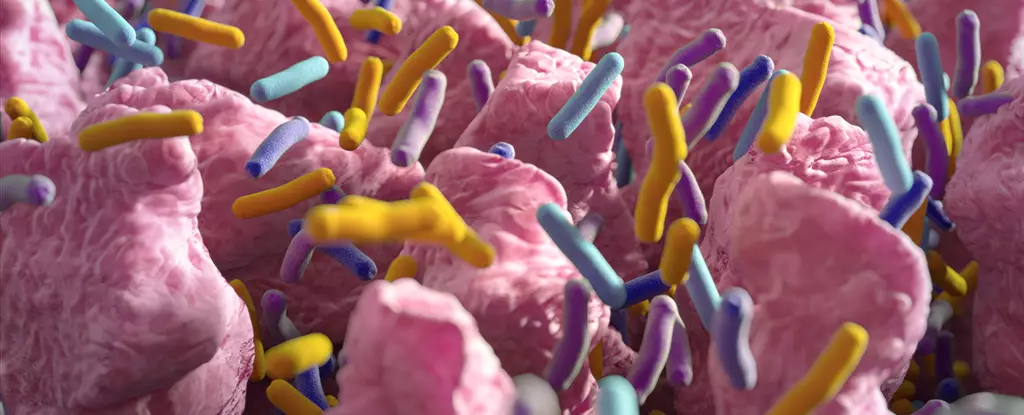
Recent scientific discoveries have begun to reshape our understanding of weight loss, highlighting the astonishing potential of the gut microbiome. Traditionally, solutions like Ozempic have relied on synthetic hormones to suppress appetite and regulate blood sugar, offering significant results but also presenting limitations and side effects. Now, emerging research suggests that our body’s own gut microbes and their byproducts may hold the key to a more harmonious and natural approach to managing weight. This shift from pharmacological intervention to microbiome-centered strategies marks an exciting frontier in metabolic health. It challenges us to rethink obesity not merely as a matter of diet and exercise but as a complex biological imbalance rooted in our internal ecosystems.
Deciphering the Role of Enteroendocrine Cells and GLP-1
Central to this developing narrative is the hormone GLP-1, which plays a vital role in regulating hunger and glucose metabolism. Drugs like Ozempic effectively mimic GLP-1, effectively reducing appetite and improving blood sugar control. However, the root problem may lie deeper within our biology — specifically, the population of enteroendocrine cells (EECs) that naturally produce GLP-1. Fascinating evidence indicates that obese individuals tend to have fewer EECs, which translates to diminished GLP-1 levels and, consequently, heightened hunger and metabolic dysregulation. This biological gap can potentially explain persistent weight management struggles and paves the way for novel therapeutic interventions that aim not to replace but to restore the body’s innate processes.
Harnessing Tryptophan and Microbial Metabolites to Rejuvenate Gut Function
What stands out in recent research is the potential to stimulate the gut to regenerate its own hormone-producing cells through dietary compounds and microbial byproducts. Tryptophan, an amino acid prevalent in common foods like poultry and seeds, emerges as a promising candidate. When metabolized by gut microbes, tryptophan produces indole, a compound capable of activating specific receptors called aryl hydrocarbon receptors (AhR). Activation of these receptors initiates a cascade that encourages the growth of EECs, thereby enhancing endogenous GLP-1 production.
The implications are profound: instead of relying solely on pharmaceuticals, we could manipulate our diets or develop probiotics to naturally boost gut hormone levels. This approach capitalizes on the body’s existing biological machinery, potentially offering a more sustainable and side-effect-free method for weight control. Such a strategy respects the complexity of human biology and recognizes that our bodies may be more adaptable than currently appreciated, with the ability to self-regulate when given the right signals.
From Laboratory Bench to Human Reality
While these revelations are exciting, they currently reside within the realm of preclinical research. Experiments conducted on rats and mini-gut organoids provide critical insights but cannot fully replicate human physiology. The challenge ahead is translating these findings into safe, effective treatments for humans. Questions remain about optimal dosages, long-term safety, dietary variations, and individual microbiome differences. Nonetheless, this research undeniably represents a paradigm shift, emphasizing a more holistic view of weight management—one that recognizes the power of our gut microbiome as an active participant rather than a passive passenger.
Deeper understanding and manipulation of microbial metabolites could ultimately complement or even replace current hormone-based therapies. Harnessing the microbiome’s potential means reimagining obesity treatment as an integrated biological process—something that could significantly reduce side effects and improve quality of life for millions. Although we are still in early days, the possibility of awakening the gut’s hidden potential fuels hope that future interventions will be more natural, personalized, and effective.
—
This perspective advocates for a transformative approach to weight loss—one rooted in science but inspired by the intricate symbiosis within our own bodies. By shifting focus toward the microbiome’s dormant capacity, we may unlock a future where weight management is less about fighting biology and more about cooperating with it.
Leave a Reply