
In a remarkable breakthrough, scientists have identified a rare genetic mutation that renders individuals nearly immune to a broad spectrum of viruses. This discovery challenges conventional understanding of the human immune system and opens doors to innovative therapeutic strategies. Unlike typical immune responses that rely on targeted vaccines and treatments, this mutation provides a form of passive, yet highly effective, viral resistance. The mutation involves a deficiency in a specific gene—interferon-stimulated gene 15 (ISG15)—which surprisingly does not leave individuals unscathed in other ways. Instead, these individuals experience a subtly heightened state of immune alertness, maintaining low-grade inflammation but remaining largely healthy, despite continuous encounters with common infectious agents.
What makes this discovery extraordinary is not just the innate resistance itself but the potential to replicate it artificially. If the cellular mechanisms that confer this striking immunity can be mimicked or induced temporarily in the broader population, humanity might gain a powerful new line of defense against pandemics and infectious outbreaks. This isn’t just science fiction; recent experiments suggest that we are inching closer to a future where viral threats could be neutralized preemptively, without relying solely on conventional vaccines, which often target specific viruses.
From Genetic Anomaly to Therapeutic Innovation
The story begins with a nuanced observation: individuals with ISG15 deficiency had encountered classic childhood illnesses—chickenpox, measles, mumps—yet they hardly ever suffered the severe symptoms typical among most people. Their immune systems appeared to be in a permanent but controlled state of readiness, constantly producing antiviral proteins. The prospect of intentionally inducing such a state intrigued researchers because it hinted at a universal antiviral shield—one that could work against virtually any virus, from influenza to novel coronavirus strains.
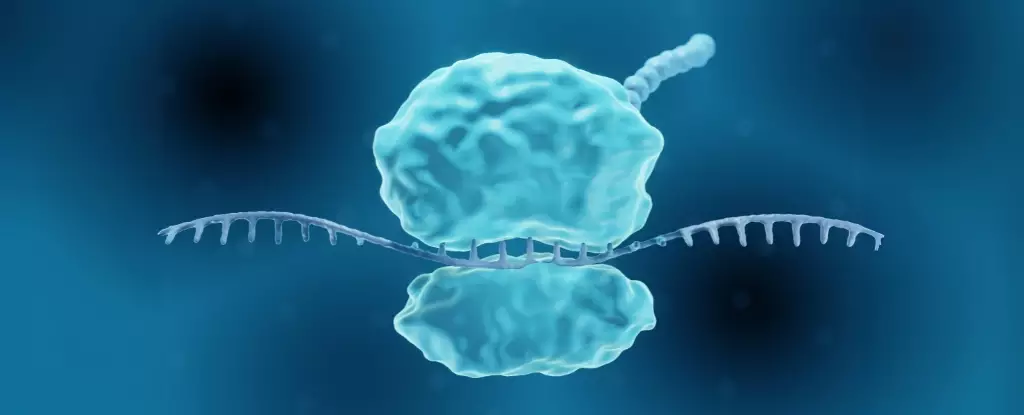
The breakthrough came when scientists employed cutting-edge mRNA technology—similar to what has been used in recent COVID-19 vaccines—to create a temporary, controlled ISG15 deficiency in lab animals. This innovative approach involved instructing cells to produce specific antiviral proteins that interfere with viruses at multiple stages during their lifecycle. The results were promising: mice and hamsters equipped this way demonstrated remarkable resistance when challenged with SARS-CoV-2, with viral loads significantly reduced or entirely suppressed. More strikingly, this protection did not come at the expense of overall immune competence, which is often a concern with broad-spectrum immune activation.
The transient nature of this intervention—lasting up to four days—may seem limited but is also its greatest strength. It provides a window of intense viral defense precisely when needed, such as during high-risk periods for healthcare workers or in the initial phase of an outbreak. Unlike traditional vaccines, which require long-term deployment and specific pathogen targeting, this approach can serve as a rapid response platform, adaptable to emerge new viruses with minimal delay.
The Road Ahead: Challenges and Opportunities
While these findings are undeniably exciting, they are still in the nascent stages. The major hurdle remains in translating this technology from animal models to safe, effective human therapies. Current delivery methods for mRNA-based interventions need refinement to ensure precise targeting, minimize unintended side effects, and facilitate widespread application. The question of how to maintain effective antiviral protein levels without triggering excessive inflammation—a risk with sustained immune activation—must also be addressed.
Moreover, societal and political factors could influence the pace at which this technology advances. Public skepticism and political pushback against novel mRNA applications could slow down research, despite the clear and pressing need for rapid pandemic preparedness. Nonetheless, the potential benefits—immunity that is broad, adaptable, and swiftly deployable—are too significant to ignore.
As we stand on the cusp of potentially redefining how humanity fights infectious diseases, the pursuit of mimicking genetic advantages in the population could herald a new era of disease prevention. It is a testament to how understanding our biology at the deepest level can unlock creative solutions, turning some of our most confounding vulnerabilities into powerful defense mechanisms.
Leave a Reply