
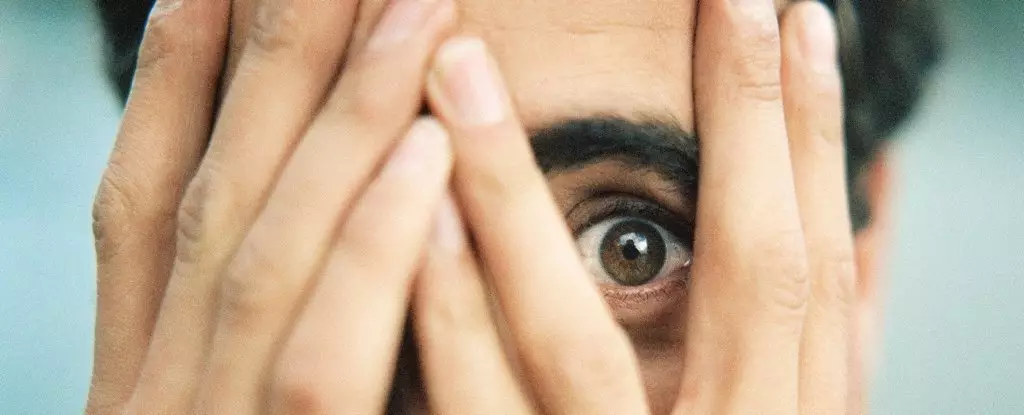
Fidgeting — a behavior many dismiss as trivial or merely annoying — actually holds a deeper psychological significance for a notable portion of the population. While most overlook the small movements of others, some individuals experience a profound emotional response, characterized by irritation, anxiety, or even frustration. This phenomenon, known as misokinesia, remains largely misunderstood in scientific circles, yet its impact on everyday social interactions is undeniable. At its core, misokinesia reveals how subtle human behaviors can become an almost intolerable source of distress, exposing vulnerabilities in how we process visual stimuli and social cues.
The term itself, meaning “hatred of movements,” underscores the intensity of this reaction. Unlike misophonia, which is sensitive to specific sounds, misokinesia revolves around visual triggers: watching someone nervously tapping their foot, twisting a pencil, or absentmindedly clicking a pen can evoke disproportionate discomfort in certain individuals. To the untrained eye, these actions appear innocuous; to those who experience misokinesia, they can be almost unbearable. What makes this even more compelling is that such responses are not necessarily tied to neurodivergent conditions or mental health disorders — they are widespread and can significantly diminish quality of life.
The Significance of Recent Scientific Discoveries
Historically, misokinesia has lingered in the realm of anecdotal reports and isolated observations. Only in recent years have researchers begun to systematically explore its prevalence and underlying mechanisms. A pivotal study led by psychologist Sumeet Jaswal from the University of British Columbia marks a turning point in understanding this obscure phenomenon. Their research, involving over 4,100 participants, sheds light on just how common this sensitivity is: approximately one-third of people report experiencing some degree of discomfort toward repetitive, small movements of others.
These findings challenge the narrative that misokinesia is a rare or pathological condition confined to specific clinical populations. Instead, it appears to be an under-recognized social challenge affecting a broad and diverse array of individuals. The implications are far-reaching: if millions are silently struggling with this sensitivity, there’s a pressing need to acknowledge and address it within social, educational, and workplace environments. This newfound recognition demands an overhaul of how we perceive even the tiniest human motions — behaviors once dismissed as benign now warrant careful consideration for their potential psychological toll.
Deciphering the Roots: Why Do Some Find Fidgeting So Disturbing?
The natural question arising from these revelations is: Why do some of us respond so negatively to seemingly innocuous actions? Researchers have posited various hypotheses, yet the definitive answer remains elusive. The initial investigations aimed to determine if heightened visual attention or an inability to filter peripheral stimuli contributed to misokinesia, but evidence was inconclusive. This underscores the complexity of the phenomenon and suggests that its roots likely lie in the brain’s intricate neural networks.
One compelling theory involves the brain’s mirror neuron system. Mirror neurons are known to activate both when we perform an action and when we observe someone else doing the same. The hypothesis suggests that in individuals with misokinesia, these neurons may be hyperactive or hypersensitive. This could lead to an involuntary empathy — not of compassion, but of discomfort — where seeing someone fidget triggers a subconscious mirror response, leading to feelings of anxiety or irritability. Similar to how witnessing someone being hurt makes us wince ourselves, seeing repetitive movements might unconsciously set off an empathetic distress in sensitive individuals.
Additionally, one researcher, Todd Handy, proposes that the sensitivity may relate to difficulty disengaging from visual stimuli. In simpler terms, once a person with misokinesia notices a fidget, they might find it challenging to shift their attention away, prolonging the discomfort. This inability to mentally “switch off” the response could amplify negative emotions, making the initial annoyance escalate into a significant source of distress over time.
Implications for Society and Personal Well-being
The recognition of misokinesia as a common, yet underappreciated, phenomenon has profound implications. For countless individuals, this sensitivity complicates everyday social experiences, often leading to social withdrawal or reduced participation in group activities. Imagine feeling overwhelmed every time a coworker taps their foot or a classmate fiddles with their pen — the social toll can be considerable.
Furthermore, understanding misokinesia could influence the design of social and work environments. Recognizing that some behaviors, albeit minor, can cause disproportionate distress pressures us to cultivate more inclusive spaces. This might mean encouraging mindfulness or fostering understanding among colleagues and classmates about personal sensitivities. It could also lead to innovations in workspace arrangements or communal settings to minimize visual triggers.
From a personal perspective, awareness of misokinesia can be validating for those suffering in silence. Knowing that their reactions are rooted in genuine neurological sensitivities — and not merely personal flaws or irritability — offers a path toward self-acceptance. As research progresses, it is essential to promote empathy and encourage those affected to seek coping strategies or professional support.
Misokinesia underscores a fascinating yet distressing facet of human neurodiversity. It challenges our assumptions about the benign nature of minor movements and pushes us to reconsider how social environments can unintentionally exclude or stress certain individuals. While scientific investigations are still at an early stage, it’s clear that this phenomenon warrants greater attention. The more we understand about why some of us react so intensely to the smallest of motions, the better equipped we will be to foster empathy, reduce unnecessary social friction, and support those quietly battling this invisible irritant.
Leave a Reply