
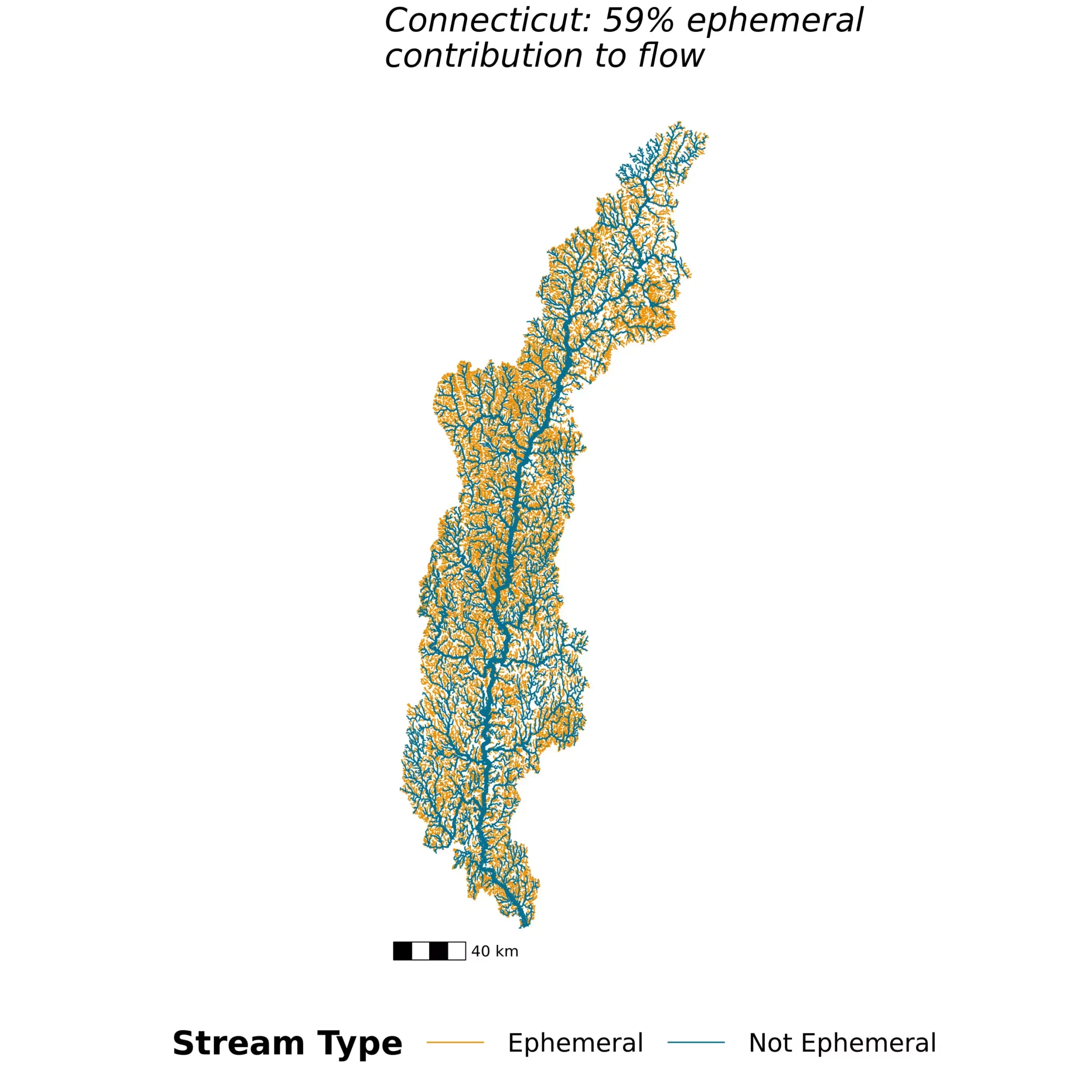
In the ongoing battle to preserve and protect vital waterways, recent scientific revelations are forcing a fundamental reexamination of how we understand river ecology and water policy. Traditionally, ephemeral streams—those that flow only during significant weather events—have been considered peripheral, minor components of the broader hydrological landscape. They were often dismissed as merely temporary features with limited influence on larger water systems, and consequently, they fell outside the scope of regulatory protections such as the Clean Water Act (CWA). However, groundbreaking research published in the journal Science dismantles this outdated paradigm, revealing that these seemingly insignificant dry riverbeds wield a profound influence on the entire watershed. More importantly, they pose an overlooked threat to water quality and ecosystem health, which demands urgent policy reform.
This shift in understanding is not just academic nitpicking; it challenges the very foundation of water management strategies in the United States. The recognition that ephemeral streams contribute over half of the total water discharge in large river basins—sometimes up to 94% in arid regions—reconfigures the way policymakers and environmental advocates must approach water protection. The recent Supreme Court decision in Sackett v. EPA, which narrowed protections under the CWA, has unintentionally sidelined these crucial hydrological features, further complicating efforts to control pollution. The science indicates that pollutants entering these dry but rain-responsive streams can swiftly travel downstream, ultimately infiltrating major water bodies like the Connecticut River or Long Island Sound, thus impacting ecosystems and urban water supplies alike.
Ephemeral Streams: The Unsung Hydrological Giants
The conventional view has long held that permanent rivers and lakes are the primary custodians of water quality and ecosystem integrity. Ephemeral streams—lacking continuous groundwater flow—appeared minor due to their sporadic nature. Yet, recent studies challenge this misconception, revealing their outsized role, especially in arid and semi-arid environments such as the Western U.S. deserts. These streams, which only run after rainfall, act as conduits for pollutants that might otherwise be confined to the landscape momentarily. When storms hit, they mobilize the accumulated contaminants—sediments, nutrients, or pollutants—sending them rushing into larger water bodies, often within hours.
The implications are profound: if a significant proportion of a river’s flow originates from ephemeral sources, then contamination in these streams has cascading effects, influencing water quality hundreds of miles downstream. This reality is especially critical in regions like Nevada and California, where the data demonstrates that in some river systems, almost all of the water that reaches the ocean originates from these intermittent flows. On the East Coast, despite the perceived abundance of groundwater and perennial streams, ephemeral streams still supply over half of the water entering ecosystems such as Long Island Sound, underscoring their ubiquity and influence across diverse landscapes.
This understanding punches a hole in the myth of ephemeral streams as minor players. They are, in fact, vital arteries that shape the quality and quantity of water in the entire watershed. Their exclusion from federal regulation is a glaring oversight that risks severe environmental degradation—yet, thanks to legal and scientific oversight, they remain unprotected under current law.
Legal and Policy Gaps: A Dangerous Vacuum
The recent Supreme Court ruling dramatically narrows the scope of waters protected by the CWA, excluding ephemeral streams from coverage unless they are connected to larger, navigable waters. This ruling reflects a narrow interpretation of water bodies, one rooted in traditional notions of navigability and permanence. The decision effectively frees polluters from adhering to federal standards when contaminating these intermittent waterways, which are crucial to hydrological health. The legal scholar Doug Kysar highlights the constitutional and economic implications: pollution in ephemeral streams can have transboundary impacts, affecting regions and ecosystems far beyond state lines.
The problem, however, is that the federal government—historically relied upon to set and enforce water protection standards—may abdicate responsibility for ephemeral streams, leaving their regulation largely to state and local authorities. This approach is fundamentally flawed because local governments often lack the incentives or resources to implement comprehensive protections, especially when upstream pollution affects distant ecosystems that are out of sight and out of mind. This policy gap becomes even more critical when considering the size and influence of ephemeral streams; their ability to transport pollutants across vast distances magnifies the need for cohesive, nationwide regulation.
The scientific evidence now underscores that political and legal complacency is no longer tenable. Policymakers must reassess the regulatory framework to incorporate ephemeral streams meaningfully, recognizing that water protection cannot be limited to “permanent” bodies alone. Failing to do so risks turning these critical waterways into dumping grounds, jeopardizing both environmental and public health.
Reimagining Water Policy through Scientific Urgency
The undeniable scientific consensus reveals that ephemeral streams are integral to the health of broader aquatic ecosystems. Nevertheless, integrating this knowledge into policy remains a challenge. The disparity between scientific understanding and legal protections represents a critical vulnerability—one that could result in irreversible ecological losses if left unaddressed.
One promising avenue lies in leveraging hydrological models and field data to create a comprehensive registry of ephemeral streams across the nation. Such a database would serve as an essential tool for regulators, allowing for targeted enforcement and resource allocation. Additionally, recognizing the interconnectedness of these waterways might justify constitutional arguments for federal oversight, emphasizing their role as integral parts of interstate commerce and ecological health.
In the end, the challenge is to unshackle water protections from outdated definitions rooted in the past. Ephemeral streams, once considered insignificant, have emerged as fundamental drivers of water quality and ecosystem stability. To safeguard these vital systems, policy reforms must recognize their importance—not only in scientific terms but also in ethical and legal contexts. Only then can we hope to realize a future where our waterways are resilient, sustainable, and free from pollution, regardless of their permanence or dryness.
Leave a Reply