
In an era where data flows become increasingly vital to global infrastructure, the invention of affordable and reliable optical communication devices stands as a monumental achievement. South Korean researchers have broken through longstanding manufacturing barriers by developing a scalable, cost-efficient method to produce quantum dot lasers—key components that power countless applications from data centers to quantum computing. This innovation does more than just cut costs; it signals a paradigm shift in how optical communication technology can be democratized and scaled for future demands. The work is significant, not only for its immediate application but also for its potential to catalyze a wave of technological advancements across various sectors.
From Traditional Methods to Industrial Innovation
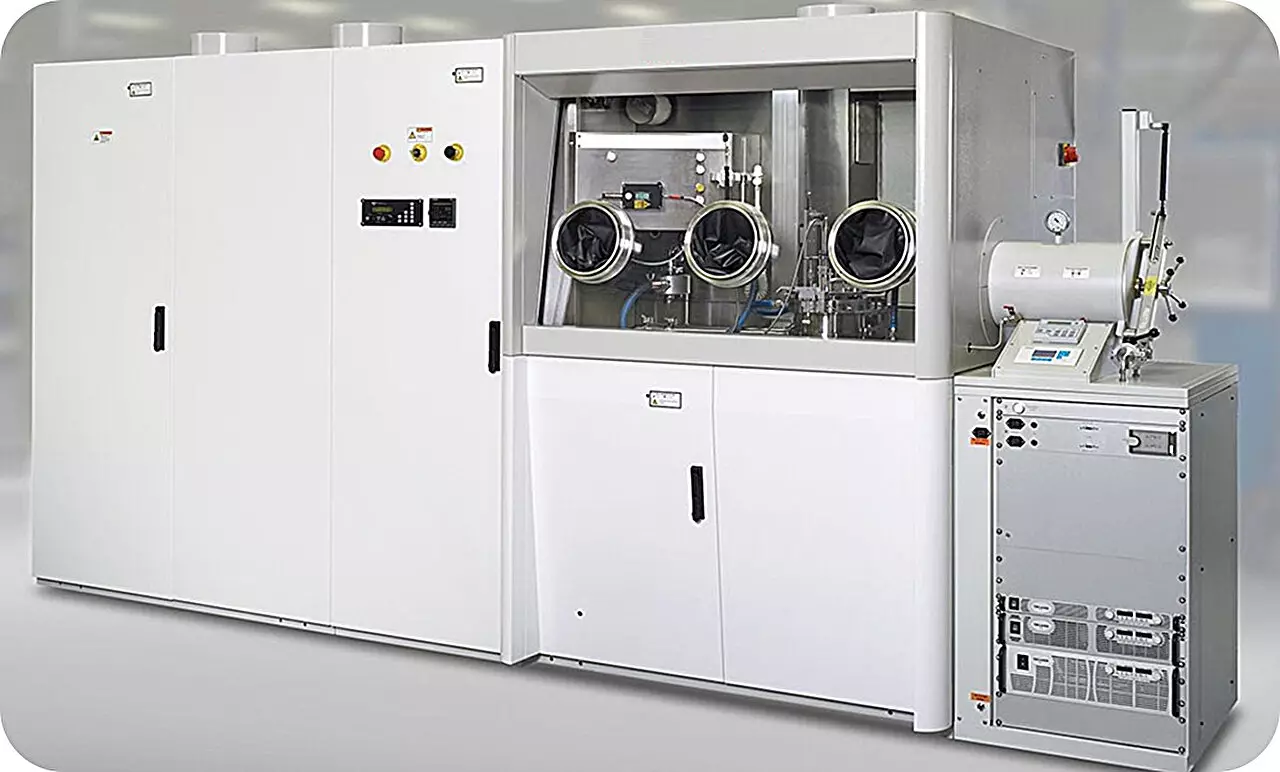
Historically, quantum dot lasers have been confined to the research labs due to the limitations of fabrication techniques such as Molecular Beam Epitaxy (MBE). While MBE offers precision, its slow growth rates and high costs rendered mass production impractical. In contrast, the research team from the Electronics and Telecommunications Research Institute (ETRI) has harnessed Metal-Organic Chemical Vapor Deposition (MOCVD)—a more scalable and efficient process—to produce high-quality quantum dot laser diodes. This switch from MBE to MOCVD isn’t just a technical detail; it’s a fundamental shift that makes large-scale manufacturing feasible, opening the floodgates for widespread adoption.
Furthermore, their success in creating indium arsenide/gallium arsenide (InAs/GaAs) quantum dot lasers on gallium-arsenic substrates aligns with the industry’s need for cost-effective and efficient solutions. By leveraging larger substrates, the team increased productivity, reduced material waste, and minimized process times—factors crucial for transitioning from prototype to commercial product. Such strategic choices reflect a nuanced understanding of the manufacturing ecosystem, revealing a thoughtful approach to scaling innovative tech infrastructure.
Unprecedented Performance, Unmatched Cost Reduction
The breakthrough isn’t solely about manufacturing logistics; it’s fundamentally about performance and durability. These newly developed quantum dot lasers can operate continuously at temperatures up to 75°C—an impressive feat indicative of robust thermal stability. This ability to sustain operation at higher temperatures reduces the reliance on expensive cooling systems, directly translating into cost savings and energy efficiency. Such resilience positions these lasers as competitive alternatives to existing devices, especially in high-demand environments like data centers and undersea networks.
Perhaps most transformative is the potential reduction in manufacturing costs. Traditionally, expensive indium phosphide (InP) substrates drove up the cost of optical communication devices. The new approach, which utilizes gallium arsenide (GaAs) substrates—less than one-third the cost of InP—has the magnitude to slash production expenses by over 83%. This feat could make high-performance optical communication devices accessible beyond elite labs and niche markets, pouring into the broader economy. It’s a development that promises to disrupt not just costs but also market accessibility and technological proliferation.
Implications for Global Industry and Future Technologies
The ripple effects of this innovation are vast. For the domestic Korean industry, it signifies a surge in competitiveness, enabling local companies to produce advanced optical components more rapidly and at a fraction of previous costs. This, paired with ETRI’s backing for technological transfer and infrastructure support, will accelerate commercialization and market penetration.
On a global scale, this development questions existing supply chains and manufacturing standards. As the worldwide demand for bandwidth continues to skyrocket—driven by 5G, IoT, and cloud computing—the need for scalable, low-cost optical sources becomes urgent. South Korea’s technological leap positions it as a formidable player in shaping the future landscape of global telecommunications.
This breakthrough also underscores a broader trend: the convergence of academia, research institutes, and industry to address core technological bottlenecks through innovative materials and processes. It raises critical questions about the future of semiconductor manufacturing and the possibilities unlocked when efficiency and scale are prioritized without compromising quality.
Ultimately, this advance is not just a technical milestone; it’s a statement about the power of strategic innovation in propelling society into a more connected, efficient, and competitive future. As the implications unfold, the industry and consumers alike stand to benefit from a new era of affordable, high-performance optical communication technology—an achievement that could redefine the very backbone of our digital world.
Leave a Reply