
The concept of aging has traditionally been confined to the simple count of birthdays—a chronological measure that often fails to capture the true biological state of an individual. This misconception can lead to misguided health expectations and missed opportunities for early intervention. Recent scientific advancements challenge us to look beyond age numbers and recognize that our bodies and brains age at different paces. Some individuals might be decades older biologically but appear youthful, vibrant, and healthy; others may be the inverse. Understanding these discrepancies is more than academic—it’s a potential game-changer in predicting disease risk, enhancing longevity, and improving quality of life.
The breakthrough development of tools capable of assessing biological age from a single brain scan propels this field into unprecedented territory. Such technology provides a window into the hidden processes that influence aging, affording us the chance to intervene well before symptoms manifest. This is not merely about curiosity or long-term planning; it’s about transforming healthcare from reactive to proactive, tailoring interventions based on precise biological data rather than arbitrary age thresholds.
The Science Behind the Brain Scan Age-Assessment Tool
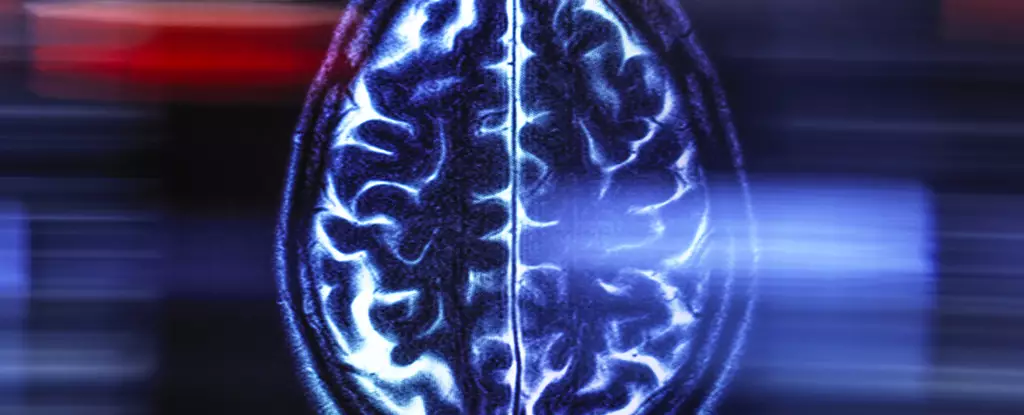
The innovative tool, dubbed DunedinPACNI—an acronym for Pace of Aging Calculated from NeuroImaging—embodies a leap forward. Built upon a comprehensive dataset from a carefully monitored group of over a thousand individuals born in Dunedin, New Zealand, in the early 1970s, it harnesses long-term health data to calibrate its assessments. These individuals have been the subject of exhaustive tracking to establish a nuanced picture of how their bodies age over decades.
DunedinPACNI analyzes 99 specific brain measurements, encompassing aspects like gray matter volume and cortical thickness—factors intimately linked to cognitive functions such as reasoning, language, and memory. The choice of brain features is deliberate; the brain’s health and structure are prime indicators of biological age and are predictive of future health outcomes. The ability to derive an accurate biological age from such a limited snapshot signifies a remarkable stride in neuroimaging analysis.
Testing across diverse populations validated the tool’s robustness. It performed comparably, if not better, than existing methods, effectively estimating biological age and correlating this with an individual’s likelihood of developing conditions such as dementia or experiencing cardiovascular events. Its strength lies in simplicity—requiring only a single scan—yet offering a depth of insight that rivals more invasive or extensive testing regimes.
Implications for Personal Health and Disease Prevention
The potential applications of DunedinPACNI extend far beyond academic curiosity. Imagine a future where a routine brain scan in midlife reveals whether your biological age is outpacing your chronological age. If your brain shows signs of accelerated aging, early lifestyle modifications—changing diet, ramping up physical activity, addressing stress—and medical planning could be initiated long before symptoms emerge. This proactive approach carries the promise of reducing the burden of age-related diseases and extending healthy lifespan.
Critically, the technology isn’t limited to affluent populations or specific demographics. Its efficacy across diverse groups underscores its potential as a universal tool for health management. In a world where healthcare disparities are a persistent challenge, such adaptable and accessible assessment methods are vital.
The focus on neurological health, particularly dementia and Alzheimer’s disease, is especially compelling. These conditions can devastate individuals and families, often swelling healthcare costs and emotional tolls. Early prediction facilitated by brain-based biological age measurements could enable targeted therapies, lifestyle interventions, and support systems well before cognitive decline takes hold. It shifts the paradigm from waiting for symptoms to appear to actively preventing or delaying disease onset.
A New Era of Aging and Disease Prediction
While the scientific community is rightly excited, it’s equally important to recognize limitations and skepticism. No tool is infallible; biological data can be interpreted variably, and external factors might influence brain measurements. Moreover, ethical questions around privacy, consent, and potential misuse of such data loom large. Yet, the promise of a more precise, personal approach to aging and health management is undeniable.
This innovation signifies a profound shift—viewing the brain not just as the seat of cognition but as a central indicator of our biological age and health trajectory. It is an affirmation that aging is a complex, individualized process, and our capacity to measure and influence it continues to grow. The pursuit of extending lifespan is evolving from a distant dream into an actionable reality, grounded in the science of the brain’s silent but telling signs of aging.
Leave a Reply