
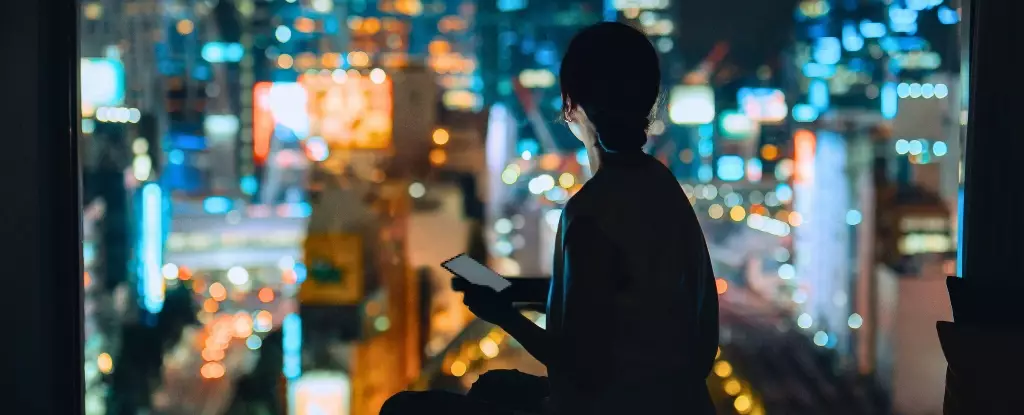
In our modern era, the golden glow of screens and negligible bedroom lighting has become so normalized that few of us consider its potential health implications. Yet, emerging research reveals a startling link between exposure to light during night hours and increased cardiovascular risk. This isn’t merely about inconvenience or disrupted sleep; it hints at a deeper, biological disruption with potentially life-altering consequences. The notion challenges us to rethink our nocturnal environment, urging us to embrace the darkness as a vital component of our health regimen.
Our bodies are finely tuned to the natural cycle of day and night, with circadian rhythms governing everything from hormone release to blood pressure regulation. When we expose ourselves to artificial light when we should be resting, we interrupt this intricate internal clock. Scientific investigation indicates that such disruption can contribute to inflammation, blood clotting abnormalities, and other processes associated with heart disease. This insight beckons us to take a more conscientious approach to our sleeping environment rather than dismissing light pollution as a mere nuisance.
Biological Clocks and Cardiovascular Wellbeing
Biologically, darkness signals to our brain that it’s time to wind down, prompting the release of melatonin—our sleep hormone—and facilitating restful sleep. Conversely, light exposure at night confuses this signaling system, leading to erratic circadian patterns. Studies tracking thousands of individuals with wrist sensors have illuminated a concerning trend: those with higher night-time light exposure are substantially more prone to developing cardiovascular ailments such as coronary artery disease, arrhythmias, and even strokes.
It’s important to underline that these findings are correlational rather than definitively causal. But in the realm of health science, correlation is often the precursor to causation. The consistent association across diverse populations, even after adjusting for lifestyle factors like smoking, diet, and physical activity, lends compelling weight to the argument that exposure to light during rest hours is harmful. The fact that certain groups—women and younger adults—appear more vulnerable further highlights the nuances underlying this issue, suggesting personalized factors might modulate the impact.
Disruption and Disease: The Mechanisms at Play
Circadian rhythms influence myriad physiological processes vital to heart health, including blood pressure regulation, glucose metabolism, and blood clotting. When these rhythms are misaligned, as occurs with exposure to artificial light at night, the body’s internal environment becomes destabilized. Among the mechanisms suspected is hypercoagulability, where blood’s tendency to clot increases—a dangerous state linked to heart attacks and strokes.
The implications extend beyond merely turning off the lights. It demands a re-evaluation of habits ingrained in our daily lives, such as sleeping with the TV on or having glowing screens in the bedroom. The widespread presence of light-emitting devices ensures that many people are unwittingly sabotaging their cardiovascular health each night. This raises an urgent question: how many of our chronic health issues could be mitigated simply by designing sleep environments that nurture darkness?
Practical Steps Toward Restorative Darkness
Efforts to minimize nighttime light exposure are surprisingly straightforward. Dark curtains, turning off electronic devices well before bedtime, and avoiding luminous screens in the bedroom can drastically reduce light intrusion. Notably, the benefit isn’t limited to aesthetic or sleep quality improvements—there is a growing body of evidence that these actions could be instrumental in lowering the risk of serious cardiovascular problems.
However, many of us remain unconvinced or complacent, dismissing the importance of light minimization as a minor lifestyle adjustment. The stakes are higher than we might think. Given the pervasiveness of artificial lighting and our cultural tendency to keep devices close at hand even when sleep calls, shifting habits may require deliberate effort and cultural change. But the potential health dividends—given the severity of heart disease—make this a compelling cause.
The darkening of our bedrooms is much more than a preference; it’s a preventive measure rooted in our biology. If we prioritize environmental modifications that foster true darkness during sleep, we might be taking a simple yet powerful step toward protecting our hearts. It’s time we acknowledge that darkness is, after all, an essential ally for maintaining vitality in a brightly lit world.
Leave a Reply