
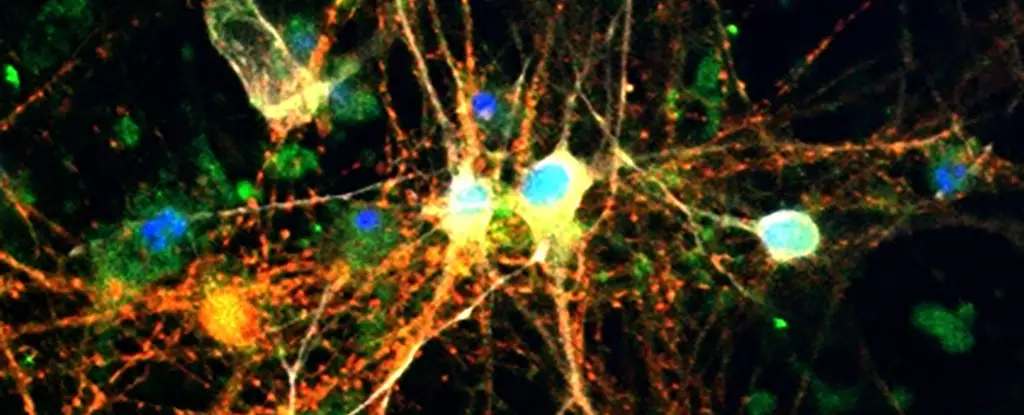
For decades, scientists have primarily viewed glycogen as a muscle and liver function—a vital energy reserve mobilized during fasting or strenuous activity. However, recent groundbreaking research reveals that glycogen stored inside the brain may play a far more critical role in neuronal health than previously thought. This revelation shakes the foundations of neuroscience, suggesting that the way our brain manages sugar could be pivotal in understanding and treating neurodegenerative diseases like Alzheimer’s. The study, led by researchers at the Buck Institute, underscores that glycogen isn’t merely a dormant fuel depot but an active player in the complex pathology underlying brain aging and degeneration.
The implications of this shift are profound. We’ve long associated amyloid plaques and tau protein tangles as the central culprits of Alzheimer’s, yet the new evidence hints at a deeper, intertwined metabolic dysfunction. Excessive glycogen accumulation in the brain appears linked with harmful tau build-ups, suggesting that the way neurons store and utilize glucose holds significant sway over disease progression. This insight opens exciting avenues—perhaps targeting glycogen management within neurons could become a cornerstone of future therapies rather than the downstream elimination of tau or amyloid alone.
The Interplay Between Sugar Storage and Tau Pathology
What makes this discovery compelling is the biological mechanism uncovered by the researchers. They observed that tau proteins actively interfere with normal glycogen breakdown, leading to an abnormal buildup of glycogen within brain cells. In models of tauopathy—using fruit flies genetically engineered to mimic human Alzheimer’s—the researchers identified elevated glycogen levels alongside tau accumulation. Notably, this elevated glycogen isn’t benign; it exacerbates neuronal damage, impairing the cell’s defenses against oxidative stress and other degenerative processes.
The key enzyme uncovered in this context is glycogen phosphorylase (GlyP), which serves as the cell’s master regulator for breaking down glycogen into usable glucose. Enhancing GlyP activity in fruit fly models effectively cleared excess glycogen, alleviating neuronal stress and extending lifespan. This indicates that the problem isn’t solely the presence of glycogen but how efficiently it’s metabolized. When GlyP activity is suppressed, glycogen piles up; when it’s boosted, cells seem better equipped to combat the toxic environment created by tau pathology.
This insight underscores the potential of metabolic interventions as disease-modifying strategies. Instead of only targeting tau or amyloid accumulations, what if we could restore the neuron’s natural ability to manage its internal sugar supply? This paradigm shift immerses us deeper into the cellular chemistry of aging and hints at more holistic, metabolic-based treatments.
Diet, Enzymatic Activation, and Pharmacological Promises
The research further explores how lifestyle and dietary factors can influence glycogen metabolism in the aging brain. In experiments with fruit flies affected by tauopathy, a low-protein diet—already recognized for its cognitive benefits—led to increased activity of GlyP, reduced glycogen buildup, and fewer signs of neuronal damage. This finding suggests that nutritional modulation could be a powerful modulator of neuronal health, aligning with growing evidence that diet impacts neurodegenerative trajectory.
Furthermore, the team experimented with a drug designed around the molecule 8-Br-cAMP, which mimics the effect of dietary restriction. Remarkably, this pharmacological approach produced similar protective effects in the fly models, hinting at new drug-target strategies. More intriguing still is the potential connection with existing medications like GLP-1 receptor agonists, famously used to treat diabetes and manage weight. These drugs, including Ozempic, might influence glycogen pathways in the brain, offering a dual benefit of metabolic regulation and neuroprotection.
This confluence of metabolism, pharmacology, and diet paints a compelling picture: managing how neurons handle sugar could be a revolutionary approach to combatting age-related cognitive decline. By tuning the metabolic orchestra within neurons, we might unlock resilience against neurodegeneration and extend healthy brain aging. The challenge now lies in translating these stunning lab discoveries into safe, effective therapies for human patients—a task demanding innovation, careful experimentation, and a willingness to rethink long-held dogmas about brain health.
Leave a Reply