
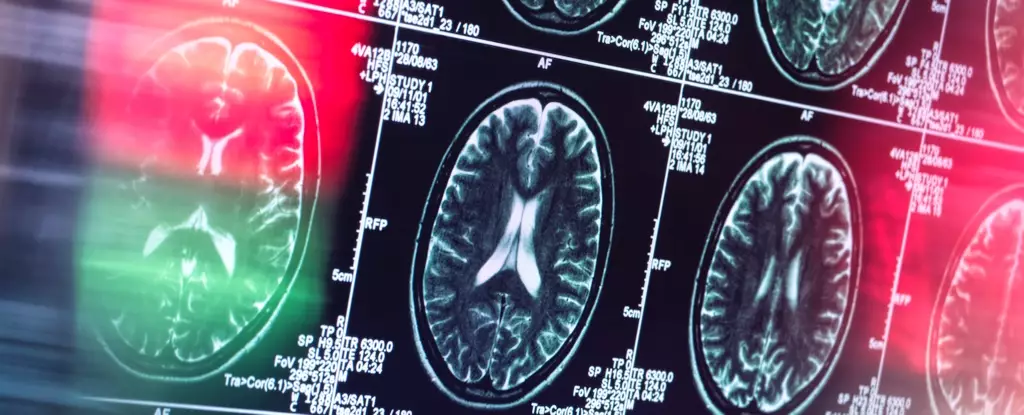
Alzheimer’s disease remains one of humanity’s most perplexing and tragic medical challenges. Despite decades of intense research and billions of dollars funneled into drug development, breakthroughs remain elusive. This stagnation isn’t merely a failure of science; it reflects a fundamental flaw in the prevailing research paradigm that has dominated the field. The almost exclusive focus on beta-amyloid proteins—the sticky clumps found in the brains of Alzheimer’s patients—has locked researchers into a narrow frame of thinking. The assumption that these proteins are the primary culprits has led to costly drug trials, controversial approvals like that of aducanumab, and ultimately, disappointment.
The aducanumab saga crystallizes this dysfunction. Approved by the U.S. FDA despite incomplete and contradictory evidence, this antibody treatment targeting beta-amyloid gave false hope to millions while igniting fierce debate within the scientific community. Some experts argue it should never have been approved, highlighting how desperation for any treatment has undermined rigorous evaluation. This controversy not only sows confusion but also delays the pursuit of more promising avenues by diverting resources and focus.
Challenging the Protein-Centric Paradigm
What if beta-amyloid isn’t the villain we’ve been misled to believe? Recent innovative research from institutions like the Krembil Brain Institute proposes a transformative shift in how Alzheimer’s is understood—as an immune system dysfunction rather than a straightforward proteinopathy. This is not merely a tweak in perspective, but a revolutionary reframing that could rescue Alzheimer’s research from a dead end.
Contrary to the entrenched dogma, beta-amyloid may actually serve a vital protective function within the brain’s immune defenses. Just as our body’s immune system vigilantly repairs injuries and combats infections elsewhere in the body, the brain has specialized immune processes involving beta-amyloid. Instead of being an abnormal by-product, it might represent a molecule actively engaging in immune defense—particularly in response to brain trauma or infections.
The Brain’s Immune System: Protector Turned Adversary
Herein lies the tragic irony. The brain’s immune system, intended to preserve cognition and neural function, may inadvertently turn its weapons inward. Due to molecular mimicry—similarities between bacterial membranes and brain cell membranes—beta-amyloid could misidentify the brain’s own cells as invading pathogens. This misdirected immune attack results in chronic inflammation and progressive neurodegeneration, manifesting clinically as dementia.
This reinterpretation casts Alzheimer’s as a form of autoimmune disease, a concept that demands we reconsider therapeutic strategies. Traditional immunosuppressive treatments effective for autoimmune diseases like rheumatoid arthritis may not apply due to the uniqueness of the brain’s immune environment. Instead, targeted modulation of immune pathways in the brain emerges as a promising therapeutic frontier, one that deserves far greater emphasis and investment.
Diverse Emerging Hypotheses and the Need for Open-Mindedness
Fortunately, this immune-centered model is not the only novel idea gaining traction. The field is now witnessing a renaissance of diversified theories. Some scientists highlight mitochondrial dysfunction, implicating the brain’s energy powerhouses in the disease process. Others suspect chronic infections or the mismanagement of essential metals such as zinc, copper, or iron in the brain’s microenvironment. Each theory underscores the complexity and multifactorial nature of Alzheimer’s, encouraging a holistic approach rather than a myopic quest for a single “smoking gun.”
While these approaches vary widely, their common thread is a move away from over-reliance on beta-amyloid as the singular cause. This intellectual broadening is critical because the biological reality of Alzheimer’s is likely a confluence of factors rather than a single faulty protein.
The Human Toll and the Urgency for New Thinking
Alzheimer’s is not just a scientific puzzle; it is a societal crisis. Affecting over 50 million people worldwide with new cases emerging every three seconds, it devastates families and strains healthcare systems globally. The disease robs individuals of their identity and memories, leaving loved ones to grapple with profound loss. It is unacceptable that after decades of research, our therapeutic arsenal remains woefully inadequate.
Innovation must come from courage—the willingness to question long-held beliefs and to embrace complexity. By prioritizing immune system research alongside metabolic, infectious, and metallomic perspectives, we stand a better chance of unraveling Alzheimer’s mysteries. This multidisciplinary strategy invigorates hopes for truly effective interventions that can halt or reverse cognitive decline.
In my view, it is critical not to cling to the familiar beta-amyloid hypothesis simply because it is established. Progress demands bold shifts in paradigm, rigorous validation of new models, and an honest reckoning with past missteps. Only through such intellectual humility and scientific creativity can we honor the millions battling Alzheimer’s and deliver the transformative solutions they urgently need.
Leave a Reply