
The possibility of asteroid 2024 YR4 colliding with the Moon in 2032 is more than just a subject for science-fiction movies—it presents a real scenario that scientists are taking seriously. Earlier assessments indicated a 3.1% chance that this sizeable 60-meter-wide asteroid could hit Earth, a surprisingly high probability for such a large object. Recent observations, however, ruled out the possibility of a direct Earth impact while increasing the odds of a Moon collision to 4.3%. This development paints a complex picture of our cosmic neighborhood, reflecting both concern and intrigue.
The Scale of Potential Impact
According to researchers from the University of Western Ontario, a collision with the Moon could unleash an energy release comparable to a large nuclear explosion. This revelation is staggering—if this asteroid strikes the Moon, up to 100 million kilograms of lunar material could be ejected into space. The aftereffects would primarily depend on where the asteroid strikes; if it hits the Earth-facing side of the Moon, we could see up to 10% of that debris falling into Earth’s gravitational pull.
While we may feel reassured by the notion that Earth’s atmosphere can shield us from smaller debris, the real concern arises from the velocity of these impacts. Even a rock just a centimeter in size can behave like a high-speed projectile, with the potential to obliterate satellites that orbit our planet. The details of how such an event could unfold are sobering; Wiegert noted that we could witness over 1,000 times the usual rate of meteors, creating a dazzling yet dangerous display in our night sky.
The Danger to Satellites and Global Infrastructure
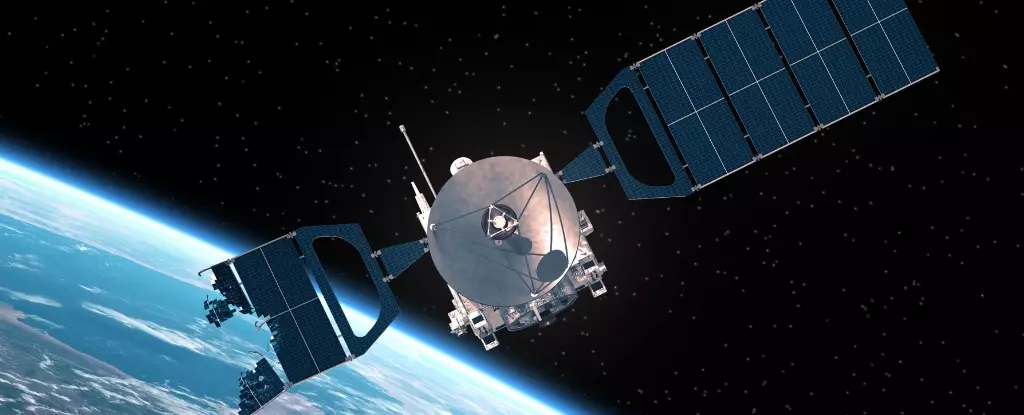
Focussing on the implications for modern society, the explosion of lunar debris from such a collision poses a direct threat to our increasingly satellite-dependent world. By 2032, the vast number of satellites in low-Earth orbit will make them particularly vulnerable during the potential aftermath of this cosmic event. A single meter-sized fragment could wreak havoc on communications and navigation systems, not to mention the potential for cascading failures across global infrastructure.
This situation highlights the precarious balance we maintain in our relationship with space. While we often marvel at the night sky, developments such as this asteroid threat remind us of the vulnerability of our technological constructs. It’s not simply the charm of a meteor shower; rather, it’s a stark warning of the fragility of our technological society in the face of natural cosmic events.
Possibilities for Mitigation and Preparation
Amid growing discussions about planetary defense, researchers are contemplating how humanity might mitigate threats from asteroids like 2024 YR4. If monitoring efforts signal a increasing likelihood of collision, there will undoubtedly be conversations about potential intervention strategies. Drawing from the success of NASA’s DART mission—where a spacecraft altered the trajectory of the asteroid Dimorphos—there may be hope that deflecting or redirecting this asteroid could be on the table.
What’s fascinating is the contrast in planning approaches. While we prepare theoretical models for avoiding in-space collisions, the challenge lies in the transition from theory to action. Should 2024 YR4 represent a genuine risk to the Moon or even Earth, the scientific community would likely mobilize swiftly to ensure appropriate action is taken, emphasizing the collaborative efforts needed in an era when space exploration is rapidly advancing.
The Spectacle and Science of Collision
There’s an undeniable excitement surrounding the potential for a spectacular meteor shower resulting from such an impact. Even as scientists grapple with the implications for satellites, for the casual observer, the thought of a vivid night sky illuminated by falling meteors holds a dramatic allure. The duality of this event—where it could be both a scientific dilemma and a mesmerizing natural display—speaks to the complexities inherent in our exploration of the universe.
In this delicate balance between threat and awe, the trajectory of asteroid 2024 YR4 continues to intrigue both astronomers and enthusiasts alike. The ongoing study and surveillance serve as a reminder of the vast unknowns that exist just beyond our planet—a reality that fills scientists with both trepidation and excitement. The reckoning of such natural forces, juxtaposed against human achievement in space exploration, may shape the dialogue around planetary defense for generations to come.
Leave a Reply