
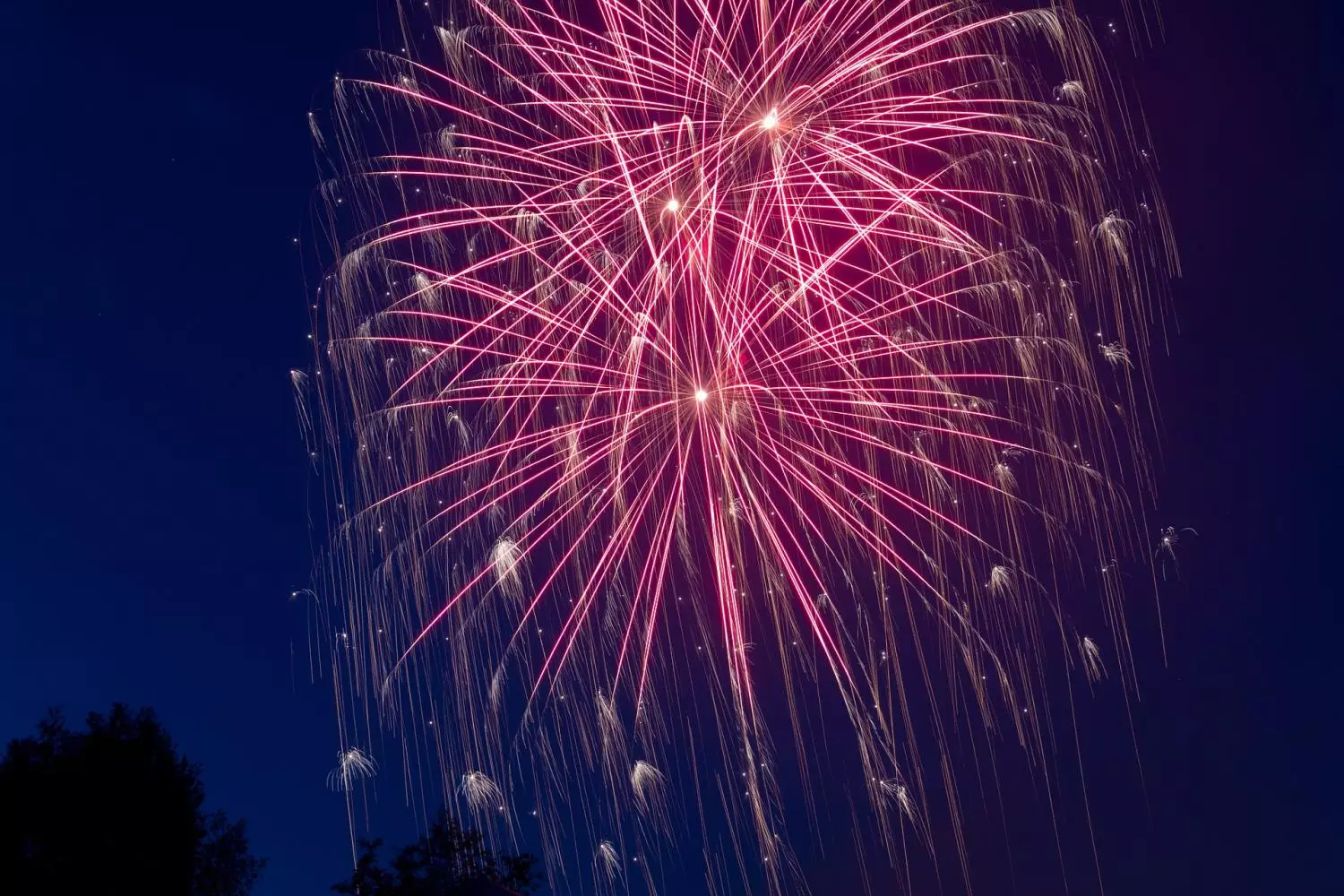
As the Fourth of July approaches, the excitement in Utah is palpable. Families gather to watch vibrant fireworks light up the night sky, embracing the thrill of bursts of color and sound. This cherished tradition, however, comes at a hidden cost that few celebrate alongside their annual fireworks spree. A recent study by Brigham Young University’s own geology department has uncovered unsettling truths about the air quality that Fireworks contribute to, revealing that these festive displays may be a source of serious pollution that threatens public health.
The Research That Shakes Our Celebrations
Led by Professor Greg Carling, the BYU investigation published in Applied Geochemistry casts a critical light on the materials released during firework displays. The findings focus on particulate matter, a dangerous mixture that includes microscopic dust, trace metals, and smoke, among other pollutants. Of particular concern is PM2.5—particles small enough to penetrate deep into lung tissue, posing considerable health risks. Carling’s research indicates that during festive times, air pollution spikes, predominantly due to the fireworks themselves, in tandem with natural phenomena like winter inversions and mineral dust that Utah is notorious for.
This study was groundbreaking not merely because it highlighted the existence of harmful pollutants, but because it identified specific toxic elements that had previously flown under the radar. Over a two-year period, air samplers documented alarming concentrations of toxic trace metals, including barium and copper—both prevalent in fireworks. More worrisome still, the peaks in metal pollution correlate with the height of the celebratory seasons in July, mirroring times of winter inversions, which already present their own air quality challenges.
The Health Risks We Can No Longer Ignore
Carling articulates a daunting reality: the metals that infiltrate our atmosphere don’t merely vanish. They are persistent, cycling through our environment and embedding themselves into soil, water, and ultimately, our food systems. This is not just an academic concern; the implications for public health are significant. Prolonged exposure to these elements can manifest in respiratory issues, cardiovascular problems, and other chronic ailments that can affect long-term health.
The absence of stringent air quality standards for trace metals, akin to the carefully crafted drinking water guidelines, raises an urgent cry for action. While efforts are made to keep our water clean, outdoor air remains in jeopardy during celebratory periods. Carling’s assertion that “any concentration of particulate matter is hazardous” compels us to rethink our festive customs, often taken for granted, in the context of our overall health and environment.
Striking a Balance Between Celebration and Health
As the scene of exploding colors dances above, it is incumbent upon celebrants to weigh the consequences of their actions against the joys of the occasion. While it’s easy to be swept away by the allure of fireworks, Carling’s research offers a compelling case for change. Instead of the individual backyard displays, communities might consider organized firework shows that minimize pollution while maximizing enjoyment.
Moreover, simple adjustments during high pollution events could significantly reduce personal exposure. By exercising indoors or temporarily relocating away from urban centers during peak firework days or inversion events, individuals can protect themselves from the airborne toxins that accompany their festive spirit. This conscientious approach to celebrating life events reflects an engagement with both joy and responsibility.
Moving Towards Solutions Through Awareness
Fortunately, there is a glimmer of hope, as the findings of Carling’s research may instigate vital discussions around policy changes. Making informed decisions and embracing collective activism can place pressure on lawmakers, prompting them to consider regulations on firework types and quantities permissible in urban areas. As citizens rally to champion rapid responses to these environmental hazards, they can help ensure that Fourth of July celebrations honor not only the nation’s birth but also the health of its citizens.
By fostering a heightened awareness around the pollution produced by fireworks, we may illuminate pathways to balanced festivities—where joy can coexist with environmental integrity. Understanding that our actions today shape the health landscape of tomorrow, we have the power to make thoughtful choices that preserve both the spirit of celebration and the air we breathe.
Leave a Reply