
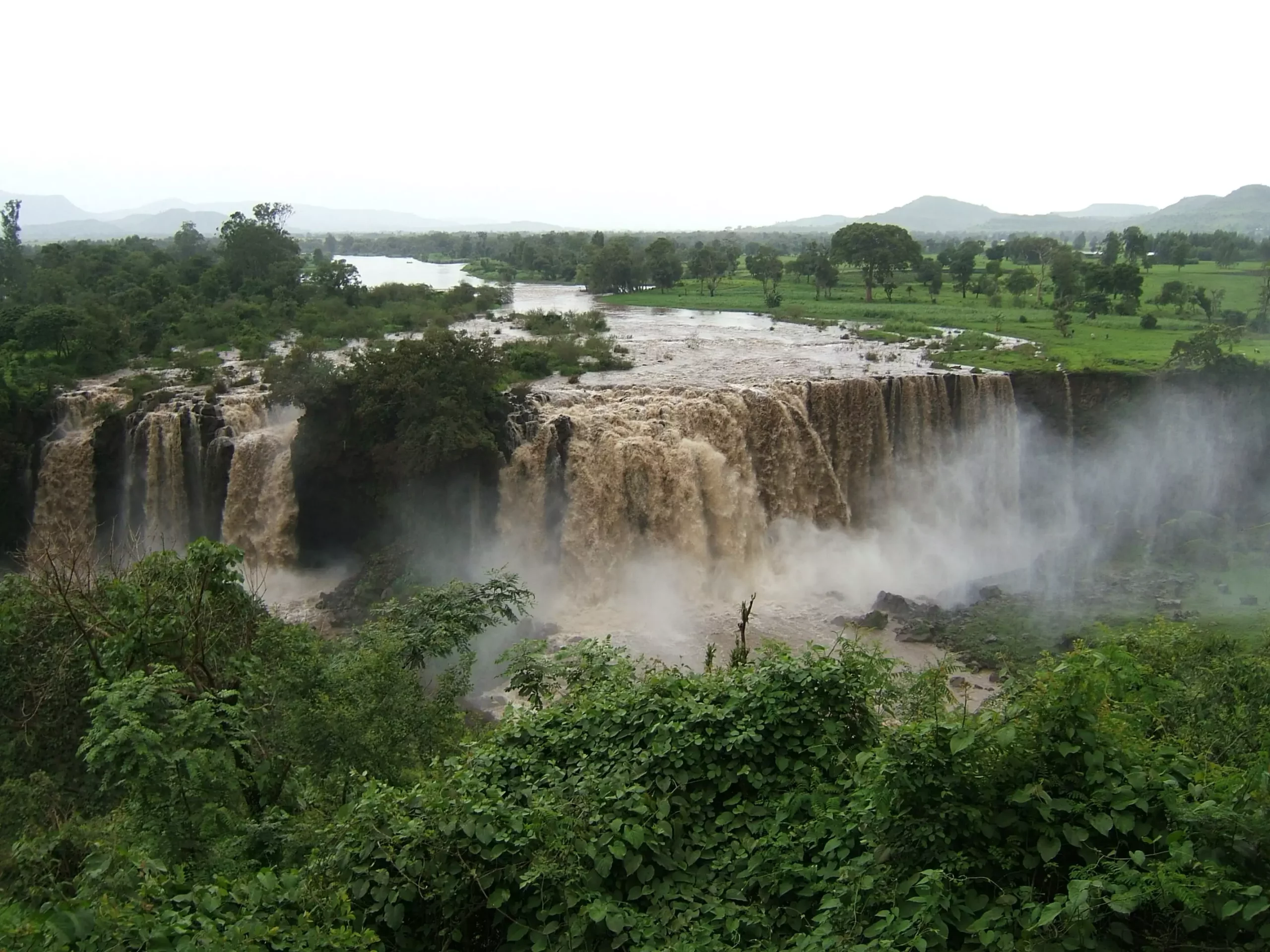
The Nile River, an ancient lifeline traversing the Sahara, has witnessed climatic upheavals that mold its present and future. With global warming intensifying existing droughts and floods throughout the Nile Valley, it has become urgent to comprehend how this majestic waterway will respond to a heightened hydrological cycle. A recent study sheds light on the intricate relationship between past climatic phenomena and the catastrophic fluctuations we see today. By delving into historical epochs characterized by increased rainfall, such as the North African Humid Period between 11,000 and 6,000 years ago, researchers are beginning to understand how the Nile’s floods and droughts can inform contemporary life and infrastructural planning.
Unearthing the Geological Archive
Led by Cécile Blanchet, a team of researchers from the German Research Centre for Geosciences (GFZ), in collaboration with institutions like the University of Innsbruck and the Alfred Wegener Institute, undertook an innovative analysis of a 1,500-year sediment core sourced from the mouth of the Nile. Through meticulous examination of its layered structure, they unearthed vital clues that reflect historical changes in climate. The sediment core serves as a geological time capsule, encapsulating evidence of river behavior during periods that are markedly different from our own, emphasizing the importance of studying ancient conditions to predict future outcomes.
The research illustrates that during wetter climates, the Nile experienced both substantial flooding and extended periods of drought, creating a highly unstable river system that could have rendered the valley inhospitable. This dichotomy serves as a reminder of the intricate balance that river ecosystems maintain and the potential for catastrophic outcomes in the face of changing climates.
Antiquity Meets Modern Complexity
The complexities of ancient climatic conditions were examined through the lens of advanced modeling techniques. The researchers found that even though rainfall strengthened, the responses of the Nile system varied greatly, influenced by numerous climatic oscillations evident today. Their findings suggest that the same environmental stimuli responsible for past climatic events continue to affect the Nile’s behavior, albeit with alterations in amplitude and frequency. Insights into these dynamics could aid in estimating the predictability of flooding events and thus help mitigate risks for millions living along the river.
One critical revelation was that the floods during the North African Humid Period were dictated by similar climatic forces that operate today, reminiscent of the El Niño Southern Oscillation (ENSO). This relationship underscores the potential for forecasting floods based on existing climate models and ancient data, assisting not only in disaster preparedness but also in resource management.
Statistical Symbiosis: Bridging the Ancient and the Modern
The collaboration with statisticians and modelers allowed the research team to discern patterns in flood behavior over distinct timescales. By comparing the flood records from the past with extensive data documented by ancient Egyptians using Nilometers, they showcased that while climatic conditions have varied, the underlying drivers of hydrological phenomena have remained consistent over millennia. The cyclical nature of these drivers, captured in both historical records and contemporary models, suggests a reliability in anticipating flooding patterns—knowledge that is crucial for urban planning and agricultural practices in the densely populated Nile Valley.
Moreover, researchers distinctly noted fluctuations in sediment layer thickness, indicating the strength of these floods at various intervals. The study’s meticulous calibration using both geological data and ancient records lends credence to its findings, creating a robust framework that could significantly influence the development of forecasting tools aimed at flood risk reduction.
Implications for the Future: A Call to Action
The implications of this research are profound. As climate models predict an increase in monsoonal activity, understanding the Nile’s historical flood dynamics becomes paramount for developing effective risk management strategies. By acting on the insights gathered from the past, policymakers and researchers can engage in more informed planning that addresses the imminent threats facing the Nile Valley. The delicate equilibrium of life along the river is increasingly jeopardized by climate fluctuations, and thus comprehensive, long-term strategies informed by the geological record are essential.
The collaboration among researchers from when the North African Humid Period occurred serves as a testament to the potential of multidisciplinary approaches in confronting today’s significant environmental challenges. This deep historical insight provides the groundwork upon which modern strategies can build, ensuring that future populations can thrive in one of Earth’s most fascinating, yet vulnerable, regions. As we navigate the complexities of climate change, the past remains a guiding beacon, illuminating paths forward for sustainable habitation around the Nile.
Leave a Reply